 ×
×
Nanke Electric has successfully delivered an Automatic Distribution Transformer Test System to Jiangsu Weike Transformer Co., Ltd. The system has been officially put into operation and is applied at Jiangsu Weike Transformer’s Intelligent Comprehensive Testing Center, covering the testing requirements of distribution transformers, dry-type transformers, and renewable energy transformers.
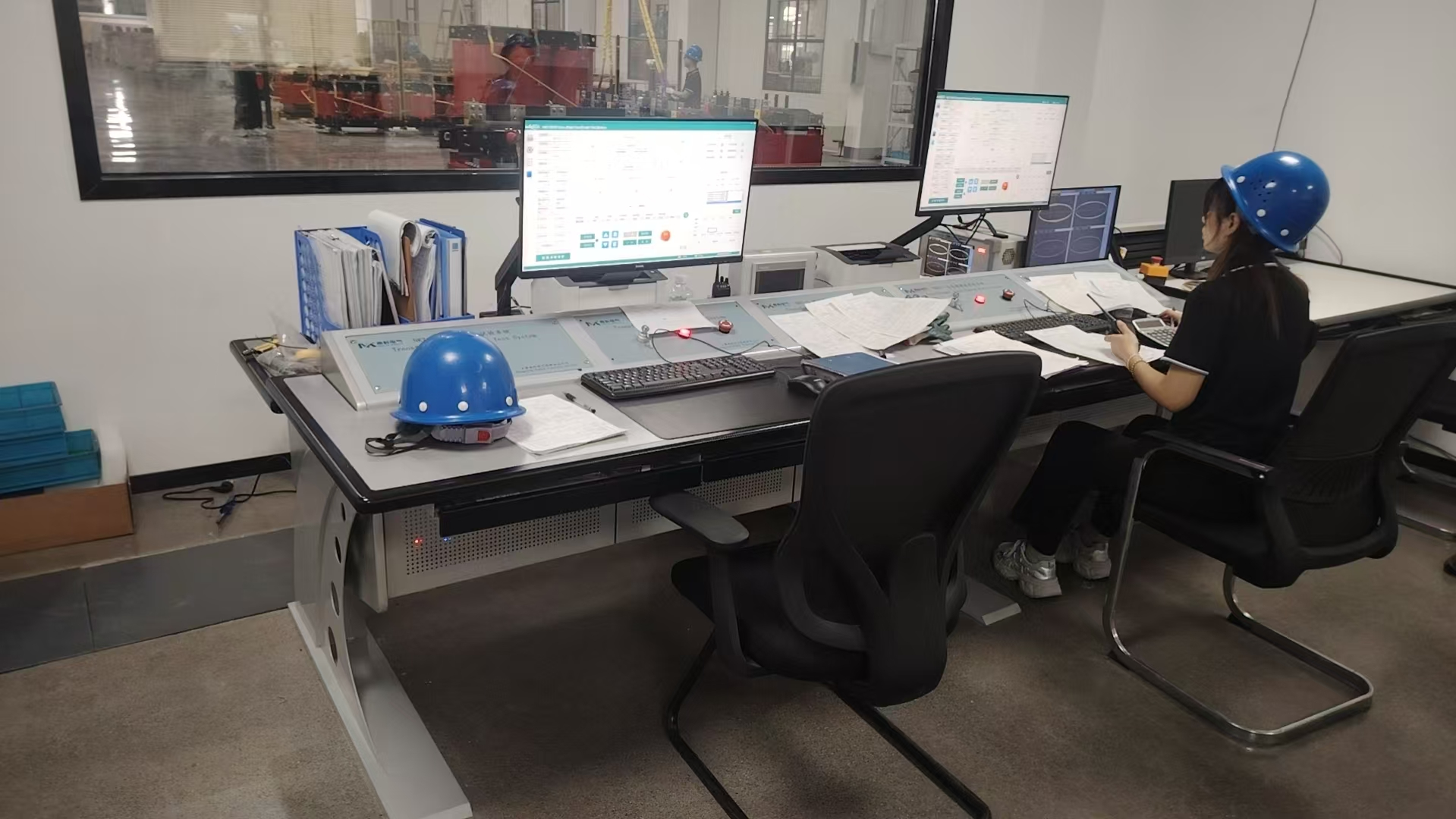
Jiangsu Weike Transformer Co., Ltd. is a National High-Tech Enterprise and a Jiangsu Provincial Specialized and Innovative SME, located in Hai’an, Nantong, Jiangsu. The company is a professional manufacturer of distribution equipment, integrating the R&D, production, sales, and services of 10–35 kV power and electrical equipment. It provides energy-efficient transformers and complete power supply solutions for power grids, commercial and industrial applications, and infrastructure projects, with an annual production capacity of more than 3,000 MVA and the capability to export its products.
Customer’s Core Products
1. Oil-Immersed Transformers: S22, S20, S13, and S11 series 10 kV, 20 kV, and 35 kV oil-immersed distribution transformers.
2. Dry-Type Transformers: SCB18, SCB14, SCB13, SCB12, SCB11, and SCBH17 epoxy resin cast dry-type transformers, as well as amorphous alloy dry-type transformers.
3. Box-Type Substations: YBM European-style prefabricated substations and ZGS American-style combination transformers.
4. High- and Low-Voltage Complete Equipment: High- and low-voltage switchgear and complete power supply equipment, with transformer repair services also provided.
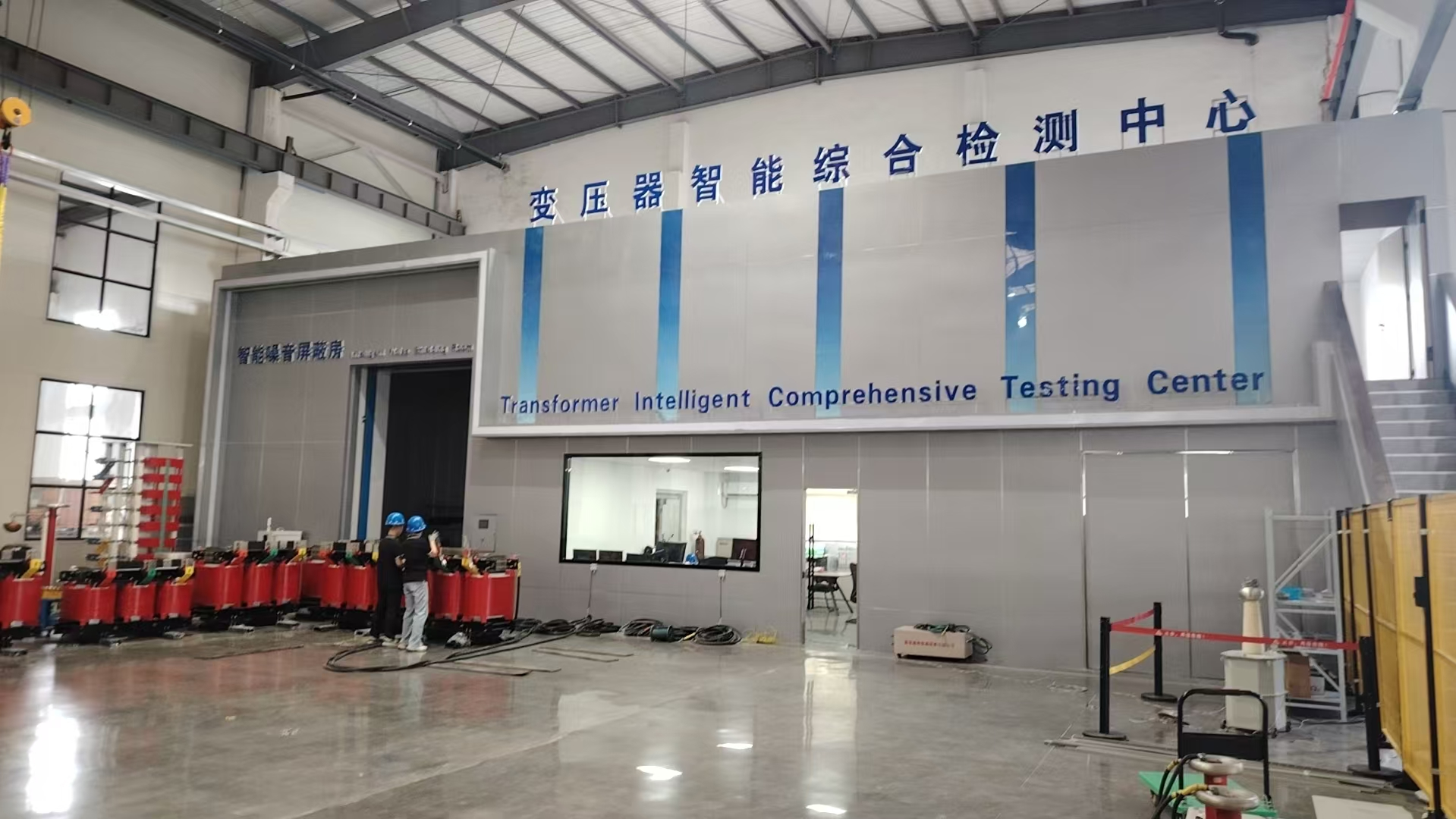
1. Distribution Transformer and Dry-Type Transformer Testing Area
· Maximum capacity: 5,000 kVA
· High-voltage-side voltage: 10 kV, 35 kV
· Low-voltage-side voltage: 0.4 kV, 0.69 kV, 0.8 kV, 1.2 kV
2. Renewable Energy Transformer Testing Area
· High-voltage-side voltage: 10 kV (maximum capacity: 1,000 kVA), 35 kV (maximum capacity: 40,000 kVA)
· Low-voltage-side voltage: 0.4 kV, 0.69 kV, 0.8 kV, 1.2 kV, 10.5 kV
· For the 40,000 kVA load test, the test current is 50%–60% of the rated current, rather than the full rated current.
· Impedance considered for the maximum capacity at 10 kV: 5%–8%
· Impedance considered for the maximum capacity at 35 kV: 6%–10%
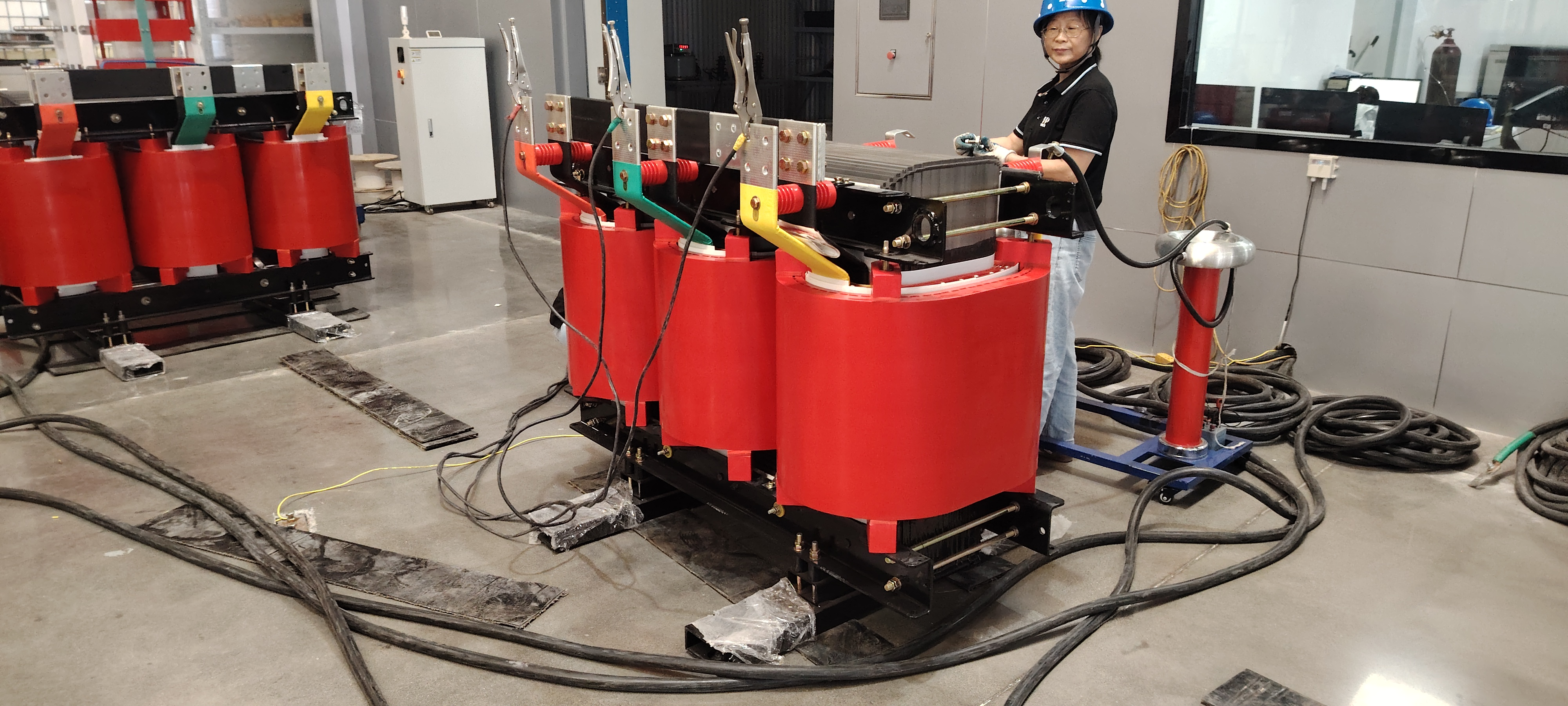
The system supports the following transformer test items:
1. Transformer no-load loss and no-load current measurement
2. Calculation of the percentage of transformer no-load current
3. Transformer no-load harmonic measurement
4. Transformer load loss measurement and correction to the reference temperature
5. Transformer short-circuit impedance measurement and correction to the reference temperature
6. Transformer induced voltage withstand test
7. Transformer power frequency withstand test
8. Transformer partial discharge test
9. Transformer noise test
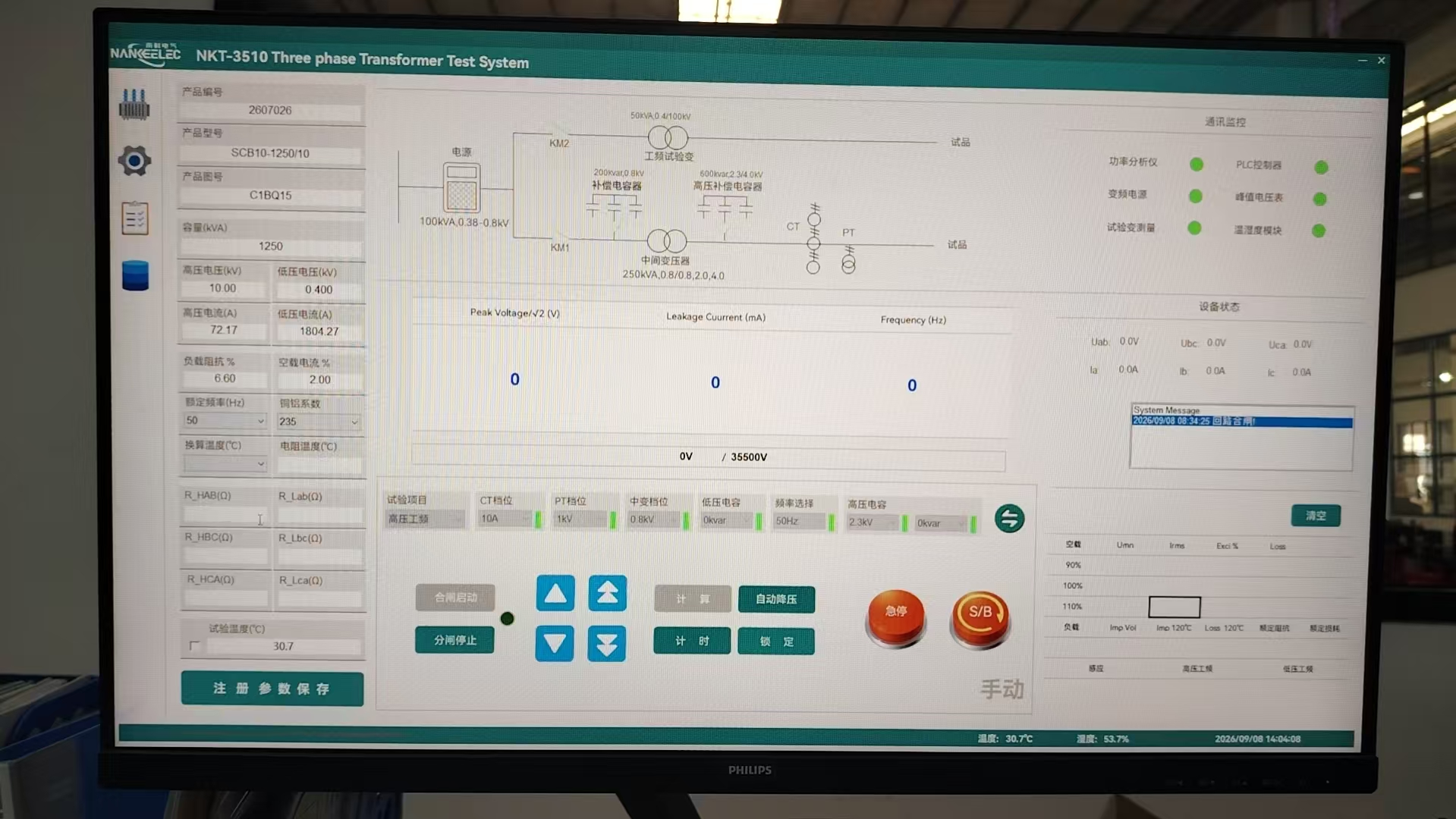
1. Automated Testing Process
The project uses an Automatic Distribution Transformer Test System integrating system diagrams, parameter registration, automatic testing, and data acquisition. After parameter registration is completed, the testing process can be started through the operator console, while the test interface and system status can be viewed in real time.
2. Key Test Instrument Configuration
The system is equipped with key test instruments, including the YOKOGAWA WT500 power analyzer and the TWPD-2C multi-channel digital partial discharge comprehensive analyzer, meeting the requirements for loss measurement, partial discharge testing, and other tests.
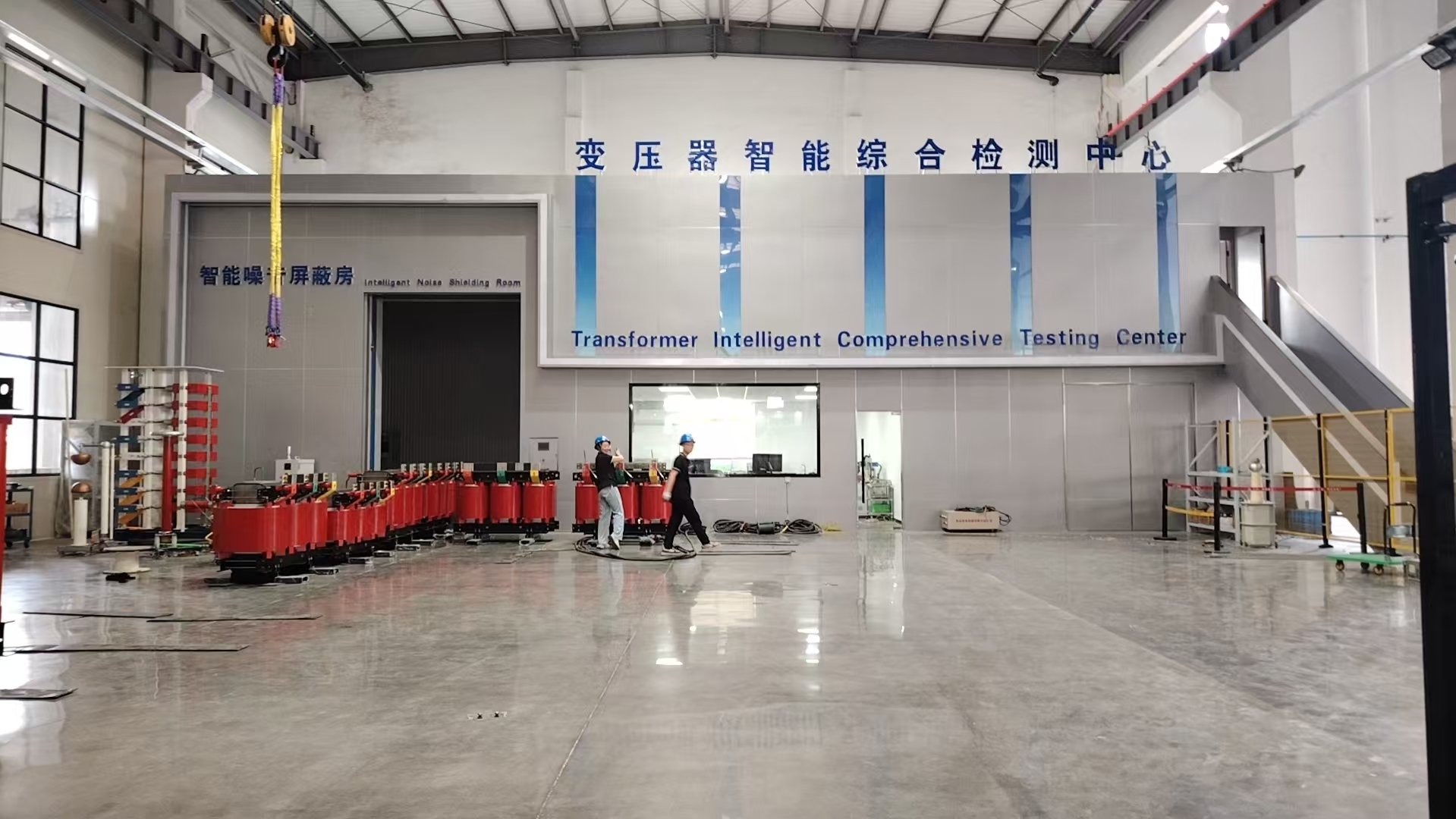
3. Testing of Multiple Transformer Types and Voltage Levels
The system covers the testing requirements of distribution transformers, dry-type transformers, and renewable energy transformers. It supports 10 kV and 35 kV high-voltage-side voltages, as well as low-voltage-side voltages of 0.4 kV, 0.69 kV, 0.8 kV, 1.2 kV, and 10.5 kV. The distribution transformer and dry-type transformer testing area supports a maximum capacity of 5,000 kVA, while the 35 kV renewable energy transformer testing area supports a maximum capacity of 40,000 kVA.
4. Integrated Testing Functions
The system integrates multiple transformer testing functions. Its automated testing process reduces manual operations, data recording, and repetitive work, helping reduce operational complexity and manual input.
· Commissioning date: October 2024


 EN
EN


