 ×
×
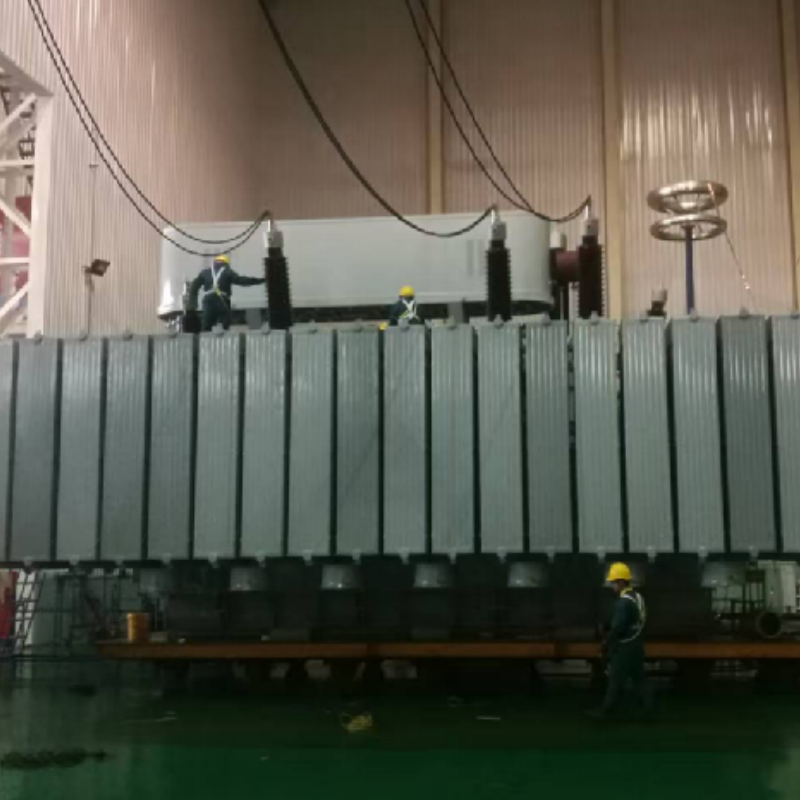
One of the benefits of performing winding resistance tests on transformers is to diagnose any problems that may exist in the windings. Windings can be sensed for resistance such that personnel is able to identify any irregularity in the windings prior to testing, including loose connections and heater deterioration. This preemptive method helps avoid surprise breakdowns and downtime, maintaining the lifeline of vital equipment.
In addition, a winding resistance test does provide useful transformer integrity information. The resistance values that are measured can be compared to the manufacturer’s data and allow a maintenance technician to determine the condition of equipment whereby determining if corrective actions are necessary. This proactive preventive maintenance strategy extends the life of your transformer and minimizes risk of expensive failures.
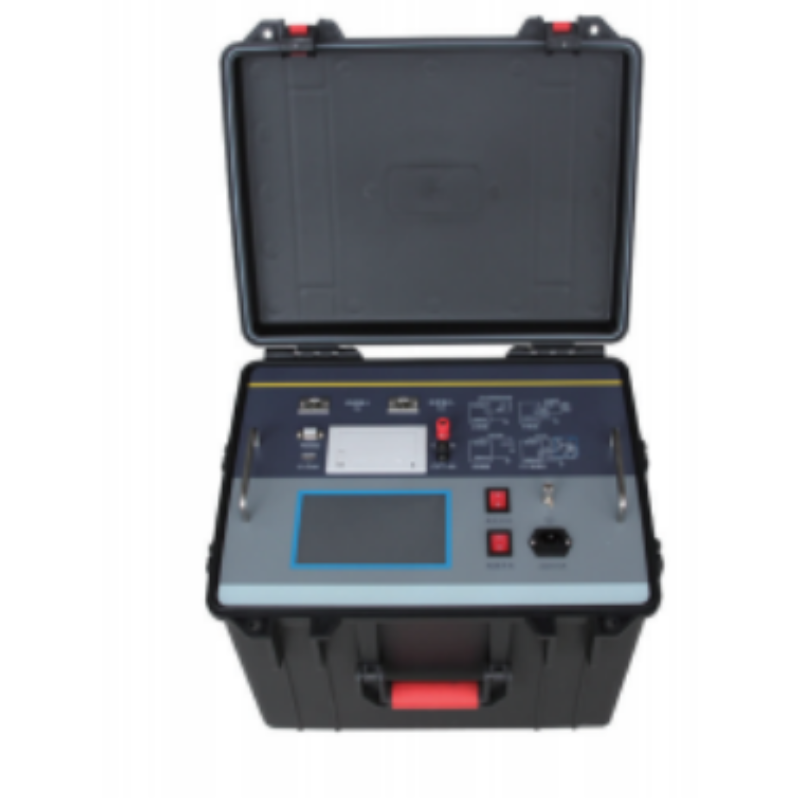
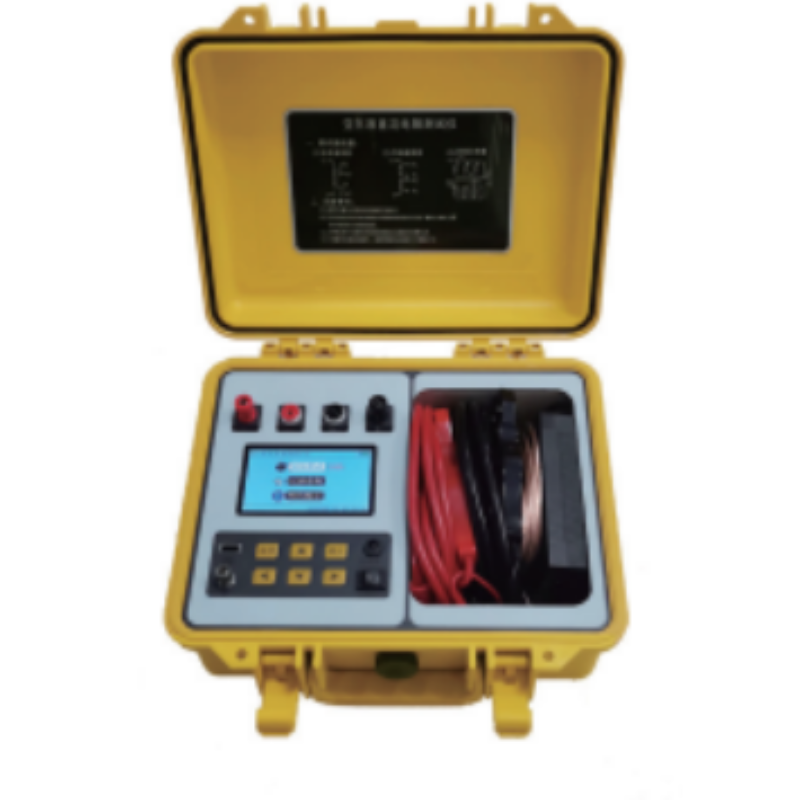
When a winding resistance test is performed on a transformer, there must be proper criteria followed by the technician to obtain valid results. The transformer must be de-energised and isolated from power while testing is carried out i.e. a A both sides of the HV, neutral at LV B one A and other two C Electric motors connected in series will run at slow speed D none of these Which motor are used in Metal mixer? Then, based on these resistance values, the technician must decide which test equipment (a digital multimeter or winding resistance tester) to use during measurements.
Once the test leads are clipped to the transformer winding, hold the technician should take resistance measurements from each phase and note them for later review. It is crucial for the experimental outcomes to comply with standards protocol requirements. Once all values of resistance are measured, technicians can compare the value to an acceptable range specified by the transformer manufacturer to evaluate windings condition.
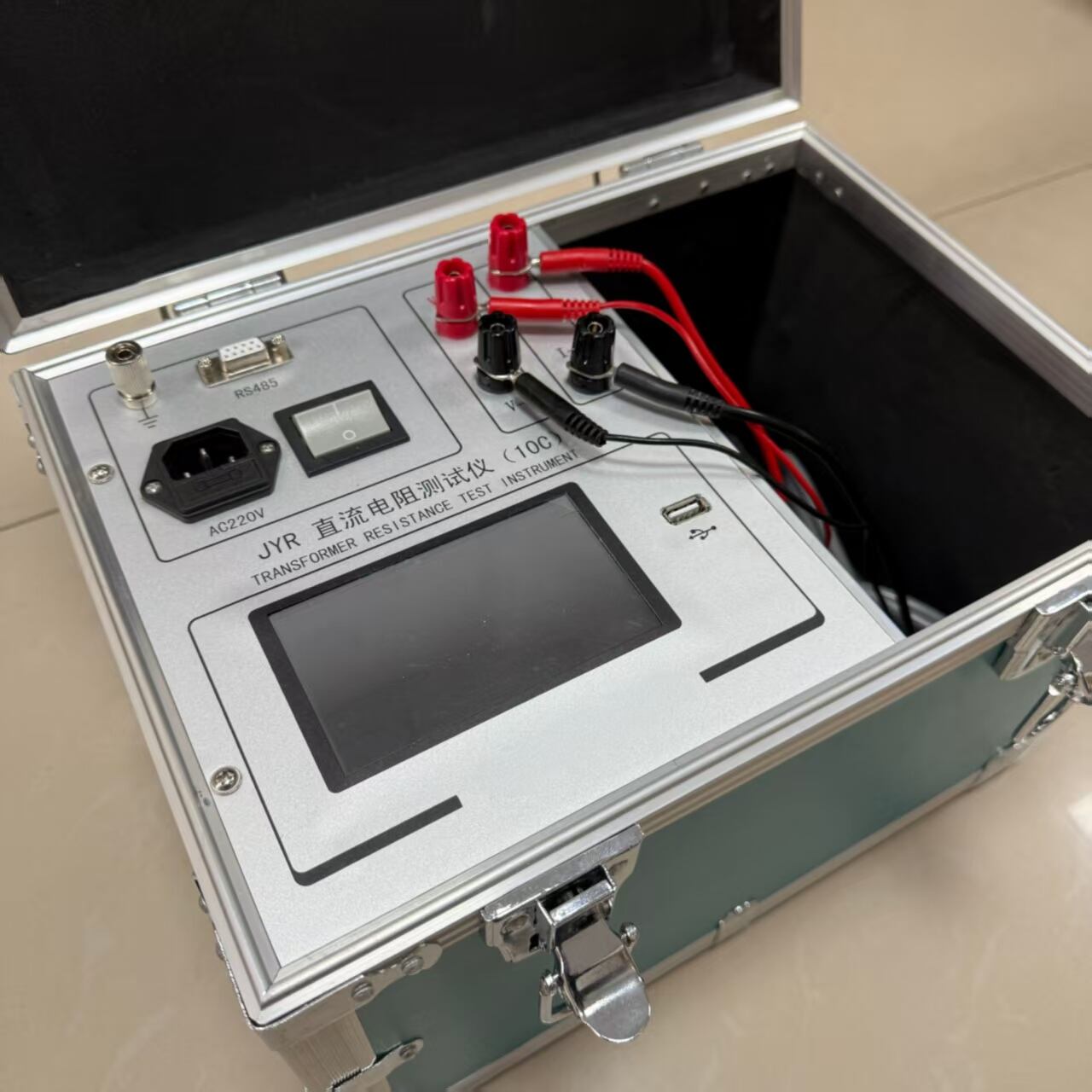
winding resistance testing are essential to ensure the performance and operating integrity of transformers in industrial environments. Nankee stresses the value of scheduling these tests regularly to isolate any underlying defects, evaluate the transformer’s condition and to diagnose faulted windings. Proper testing practices Proven test procedures and protocols can help technicians reliably determine the condition of transformers to better ensure their continued safe, reliable operation.
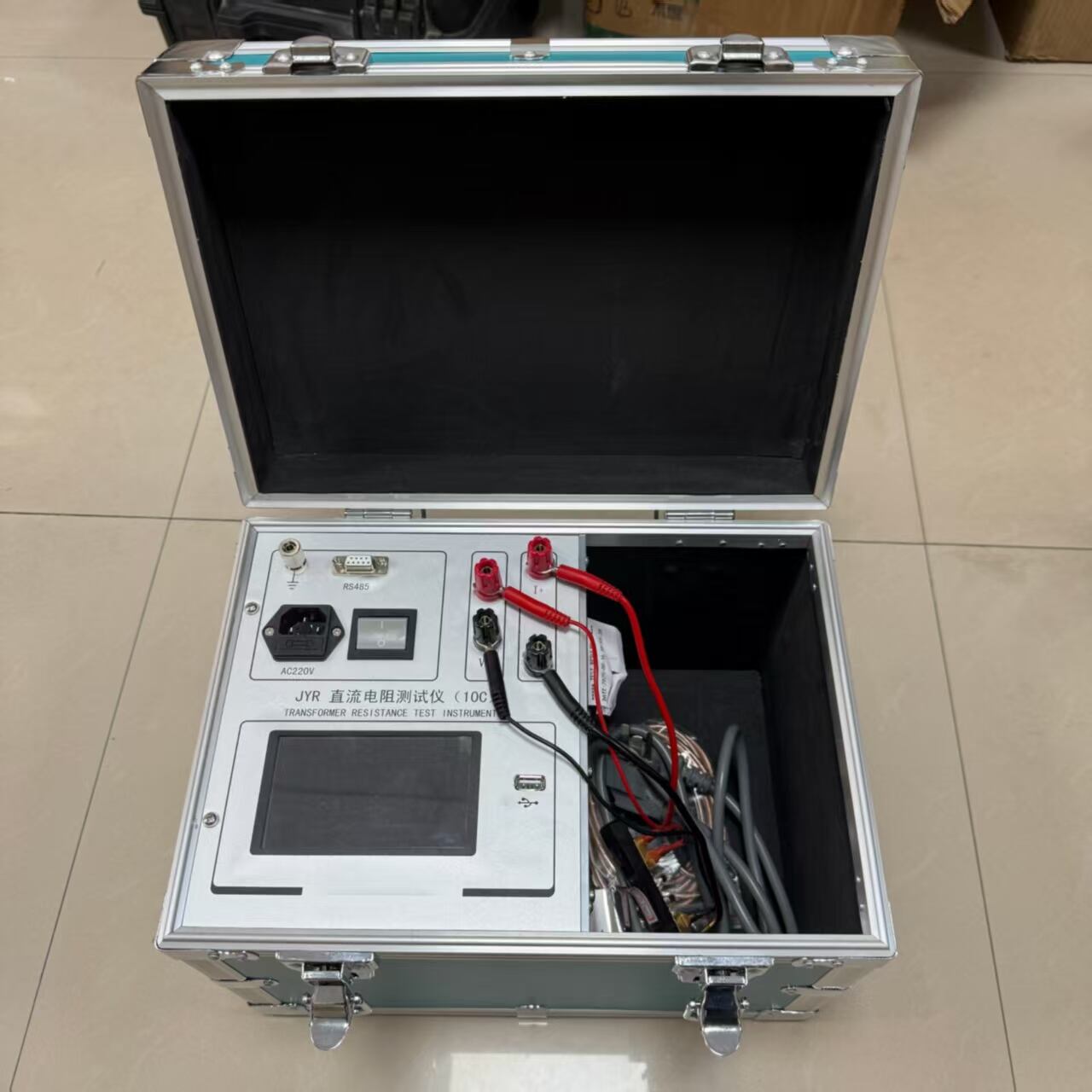
Winding resistance examination of transformers is an important test that assists in recognizing unwanted troubles which may cause transformer breakdown. One common problem identified with this testing is that of wire connections being loose in the transformer windings. Poor connections draw more current and increase transformer temperature which over a period of time results in the transformer failure. Shorted turns within the windings is another suspicious thing here. Short circuits can create electrical mishap and result in a safety hazard. The testing of winding resistance can also assist in the detection of problems with the insulation to the windings, for example, insulation break down or degradation. The early detection of these problems is as simple, and as cost effective, as checking winding resistance.
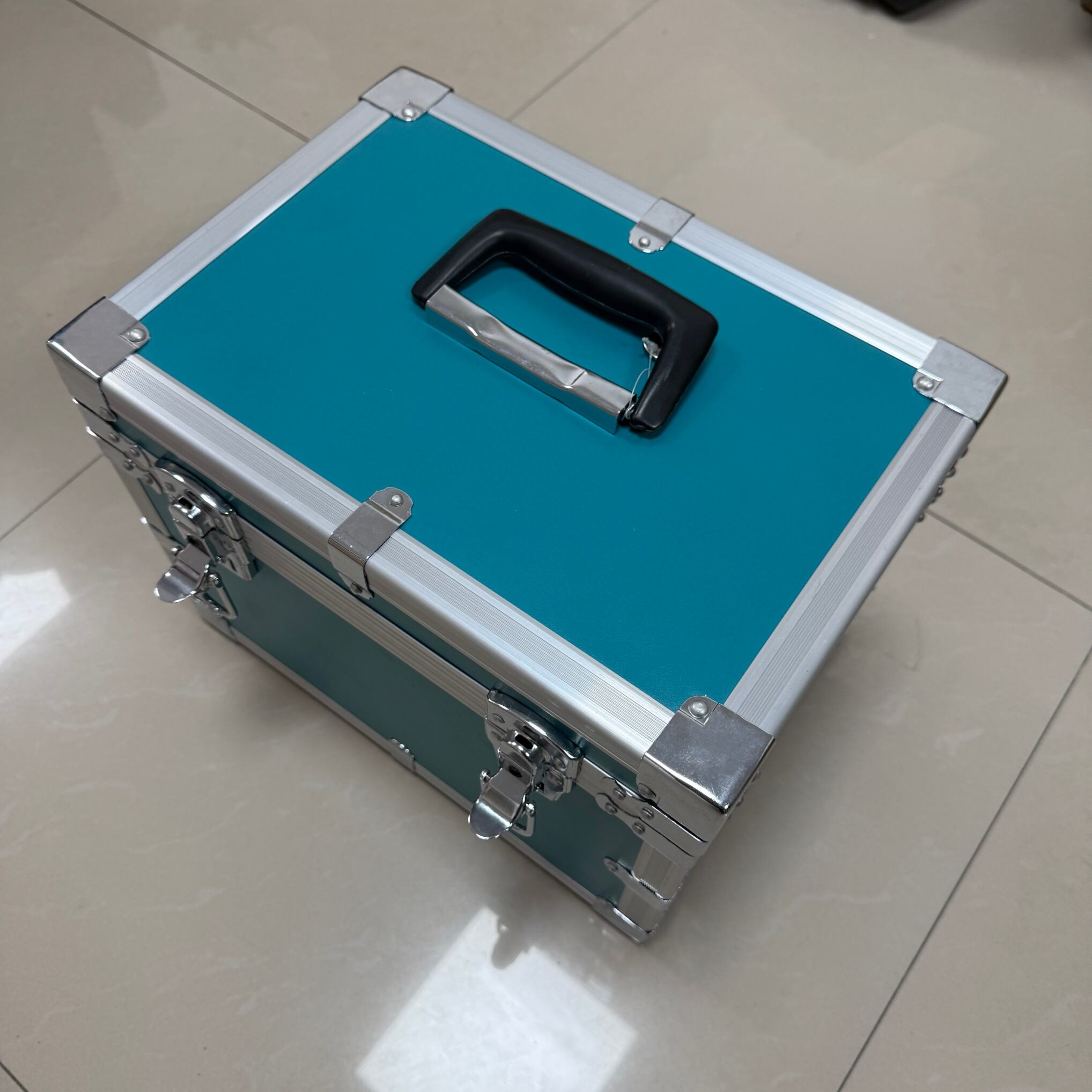
There are some important parameters to be checked in a winding resistance test report for transformers. Of prime importance is to check the readings when measuring phase resistances with pretty good level of precision. Inconsistent resistance readings between phases could be the result of a problem with the transformer windings. Additionally, the temperature during testing should be considered since elevated temperatures may indicate problems with the transformer. Furthermore, the testing report should detail running conditions and method of test employed along with any suggestions for further testing or maintenance. The results of a full and detailed test report are essential when evaluating the status of your transformer and deciding on which repairs / maintenance may be needed.


 EN
EN