 ×
×
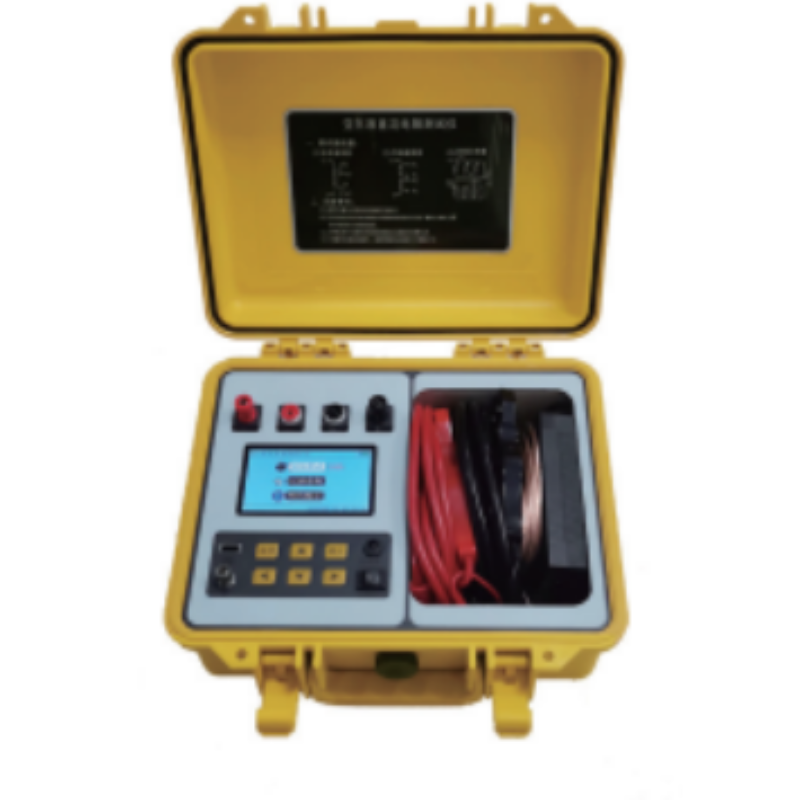
The transformer winding insulation resistance tests are vital in enhancing the efficiency and reliability of the electrical transformers. The tests are mostly done to evaluate the status of the condition of the insulation within the transformer winding, and hence it is vital in preventing the electrical faults and breakage. Proper performance and understanding of the common problems that come with the transformer winding insulation resistance test are crucial to the transformer reliability maintenance in the industry. This essay addresses how to carry out a transformer winding insulation resistance test and common issues that come with the test. It also outlines the benefits of regular transformer conducting the transformer winding insulation resistance tests. How to carry out a transformer winding insulation resistance test The transformer winding insulation resistance test involves specific steps that ensure valid results. The first step is to turn off the auxiliary power source of the transformer to minimize the risk of any electrical fault. Insulation resistance tester is connected to the leads of the transformer winding to record the resistance for each winding. The test voltage is then passed to the transformer and resistance measured and recorded for each winding. The response is analyzed other to be compared with the standard resistance level to determine whether there is a need for the winding to be fixed or replaced. Common problems that come with conducting a transformer winding insulation resistance test Several problems could come with conducting a transformer winding insulation resistance test. Moisture and contaminants
Regular transformer winding insulation resistance testing should be undertaken to ensure the safety and reliability of the transformers. With this type of testing, issues requiring the insulation of the windings are identified long before they become complex and expensive to fix. Investing in regular transformer winding insulation resistance testing is preventive in nature and goes along with a cost per test which is relatively less than the cost of repairs if such faults occur. Additionally, it reduces the cost of buying new transformers because of their lower life cycle costs. Therefore, this preventive valuation can help maintain the efficiency and effectiveness of transformers.
Insistently, with time, insulation degradation can remain undetected, causing serious safety risks. Moreover, the lack of regular checks of transformer winding insulation resistance may lead to ineffective operations and require a complete repair or even replacement. The second question is whether it is possible and safe for your staff to conduct the test. The probability that the answer is “yes” makes it easier to manage time and financial resources. However, if there are any questions or hesitations about the possible risks, it is more effective to contact experts and obtain consulting services.
Insulation resistance can be degraded in any number of ways, including due to moisture ingress, contaminants, or degradation from physical damage or age of the insulator material. Without adequate testing, these problems can pass undetected until they present a serious risk to the operation of the transformer and the rest of an electrical system. Testing at regular intervals provides the opportunity to detect failing insulation before it becomes a critical issue, giving generator operators peace of mind and ensuring a continuous supply of power.
Transformer trading Transformer work across industries can reap the benefits of routine insulation resistance testing. Operators can evaluate the transformer condition and predict potential failure by tracking the insulation resistance in time. This preventive strategy leads to service when needed—the first time—eliminating unexpected downtime, and ultimately saving you both time and money. In addition, regular tests can contribute to prolonging the life of the transformer by detecting and handling any small problems before they become worse.
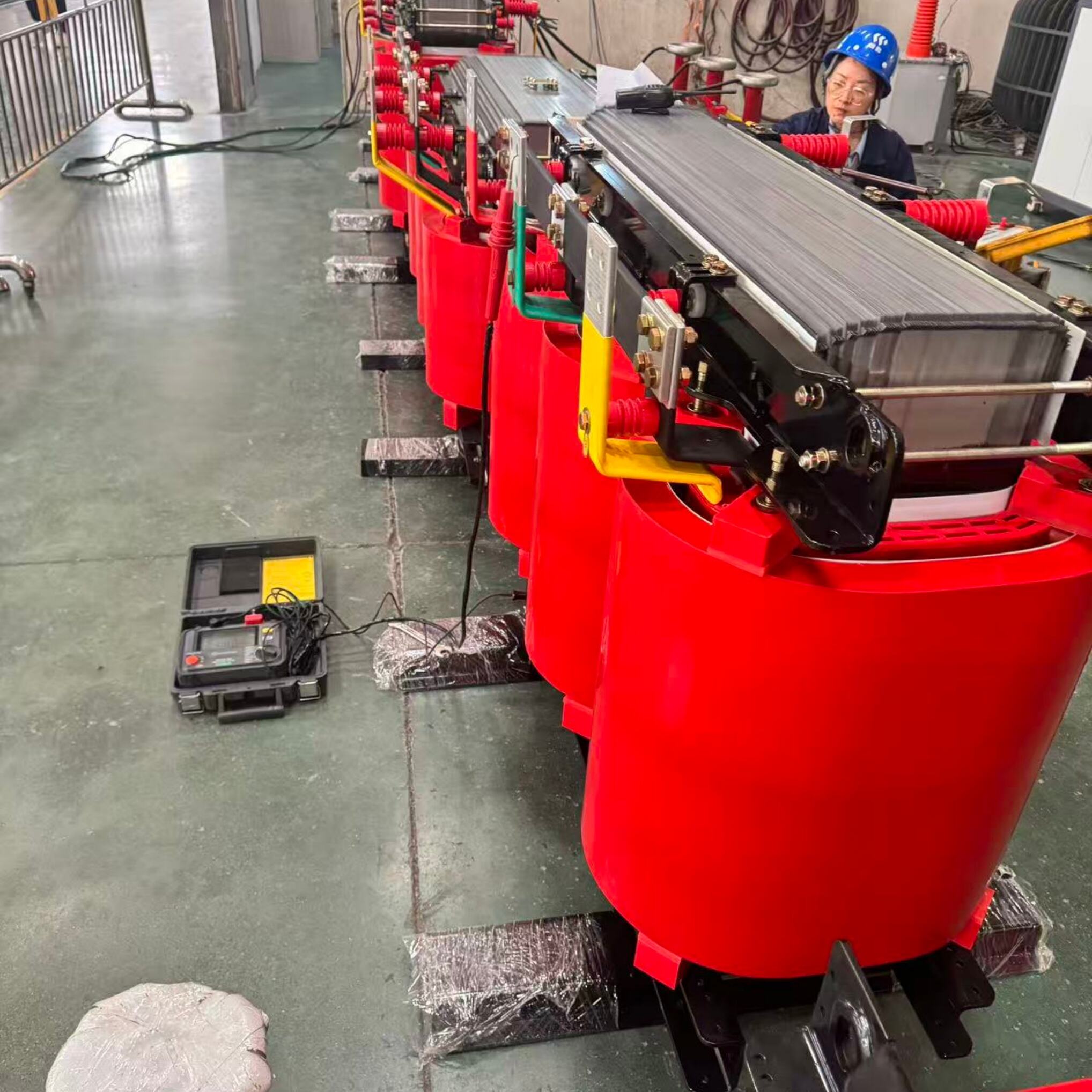
Routine insulation resistance testing is also a critical deterrent of unexpected failures and mitigation of downtime that could cripple vital operations. By being able to routinely monitor the insulation resistance, damages of the insulation can be detected in an early stage and countermeasures can be initiated against system disturbances. This proactive strategy not only improves the integrity of the transformer but also guarantees non-disrupted power supply, hence such a device becomes an essential part of any maintenance-related program.
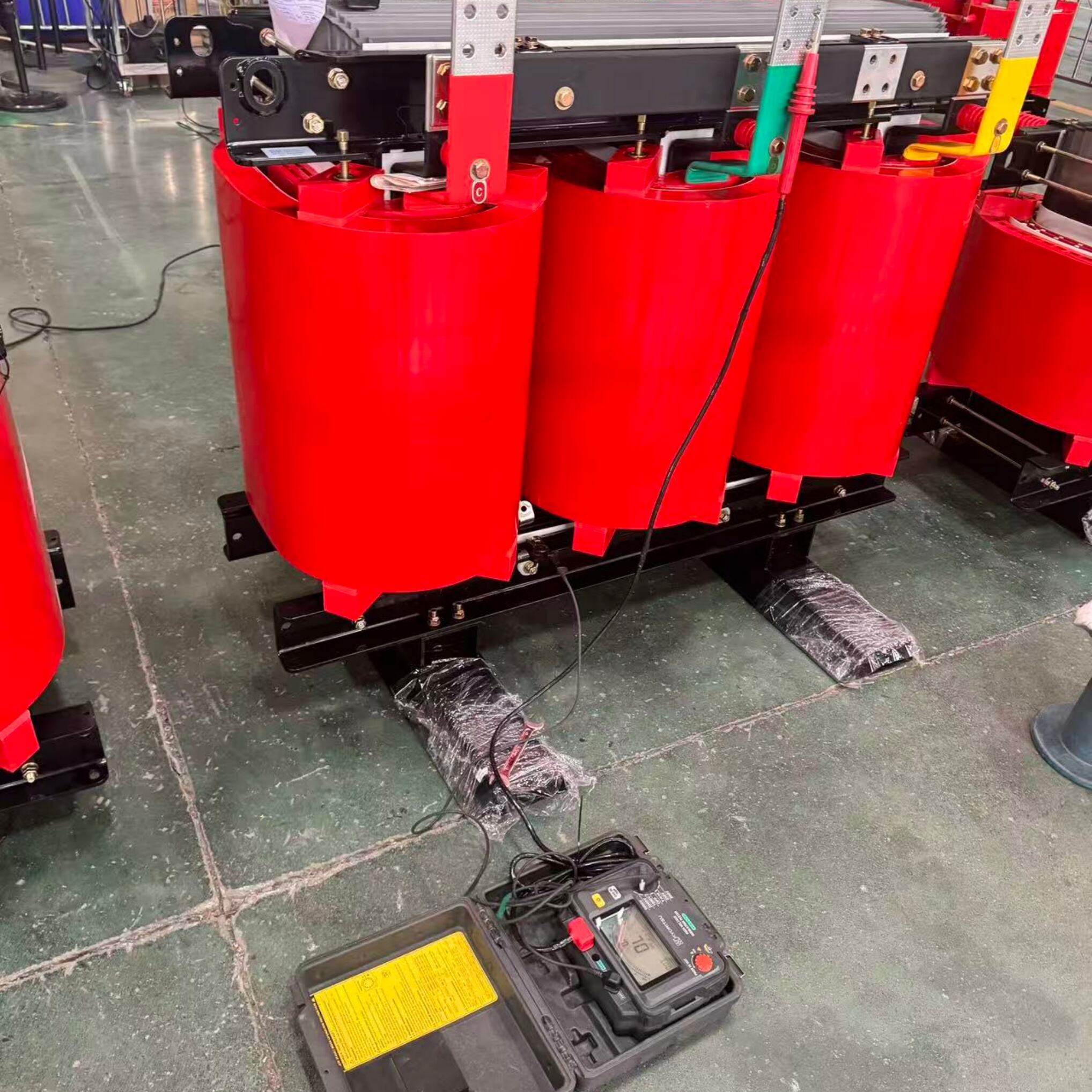
Winding insulation resistance testing also helps to determine any possible problems that could compromise the transformer’s performance, including insulation breakdown, dampness penetration, or contamination. By addressing these problems with regular maintenance and repair, operators can maximize the transformer’s performance and ensure seamless power transfer. This preventative strategy to monitoring your electrical system is a way to improve efficiencies and avoid expensive repairs, downtime due to equipment failure, and is an investment in your electrical system.
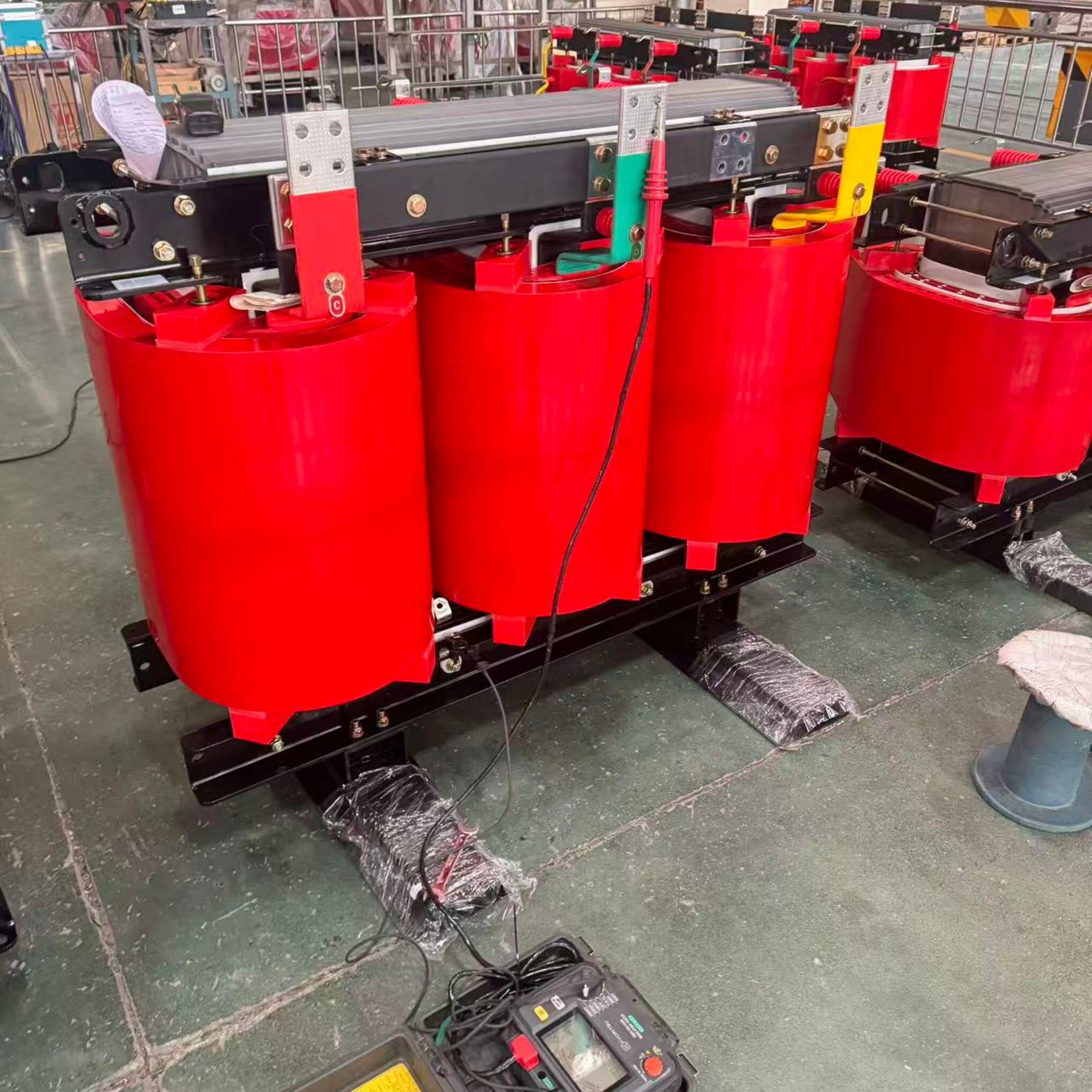
Transformer insulation resistance testing also offers operators quality assurance that the transformer´s insulation system is still intact and will enable safe operation of the transformer. Performing routine tests allows operators to evaluate the condition of insulant material and help to detect anything that might threaten the performance of the transformer. This proactive stance allows operators to troubleshoot problems early in the insulation’s life cycle and minimize the impact of insulation failure on system performance.


 EN
EN