 ×
×
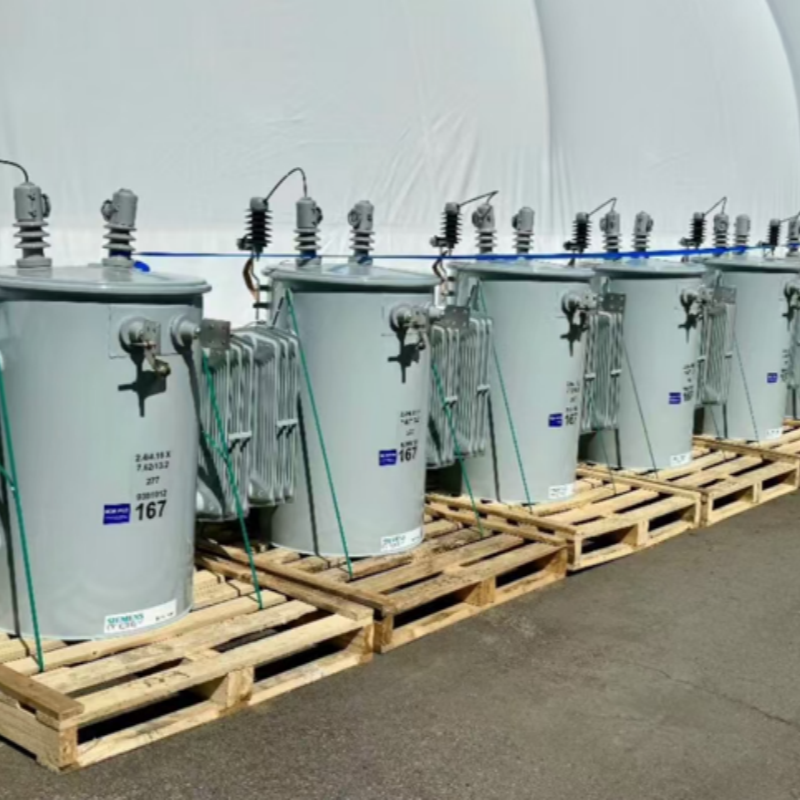
Amidst the vast labyrinth of electrical systems, transformers are a surprising piece in the puzzle that allow for seamless power transmission. Reliability and security of transformers highly depend on insulation resistance. IR is an indicator of how well the insulation material in a transformer resists current leaking through the insulation. Basically, high insulation resistance means that the transformer is safe from any short-circuit or power conking out. Notable 11 (Virtual Meeting Version) Let's go a bit deeper into the significance of high insulation resistance in transformers and some ways that it can help prevent electrical failures, as well as what you'll gain from investing in transformers that feature superior insulation resistance.
An insulation system in a transformer acts as the barrier between various voltages that exist within the device and helps to facilitate the easy and safe flow of electricity. For transformers, high insulation resistance is a key factor because it stops unnecessary current discharge which may cause malfunctions, damages or fires. A transformer with this kind of low insulation resistance is exposed to short circuit, electrocution and reduced efficiency. Transformers that exhibit high insulation resistance are able to function properly while protecting the associated equipment and the workers who come into contact with an electrical system.
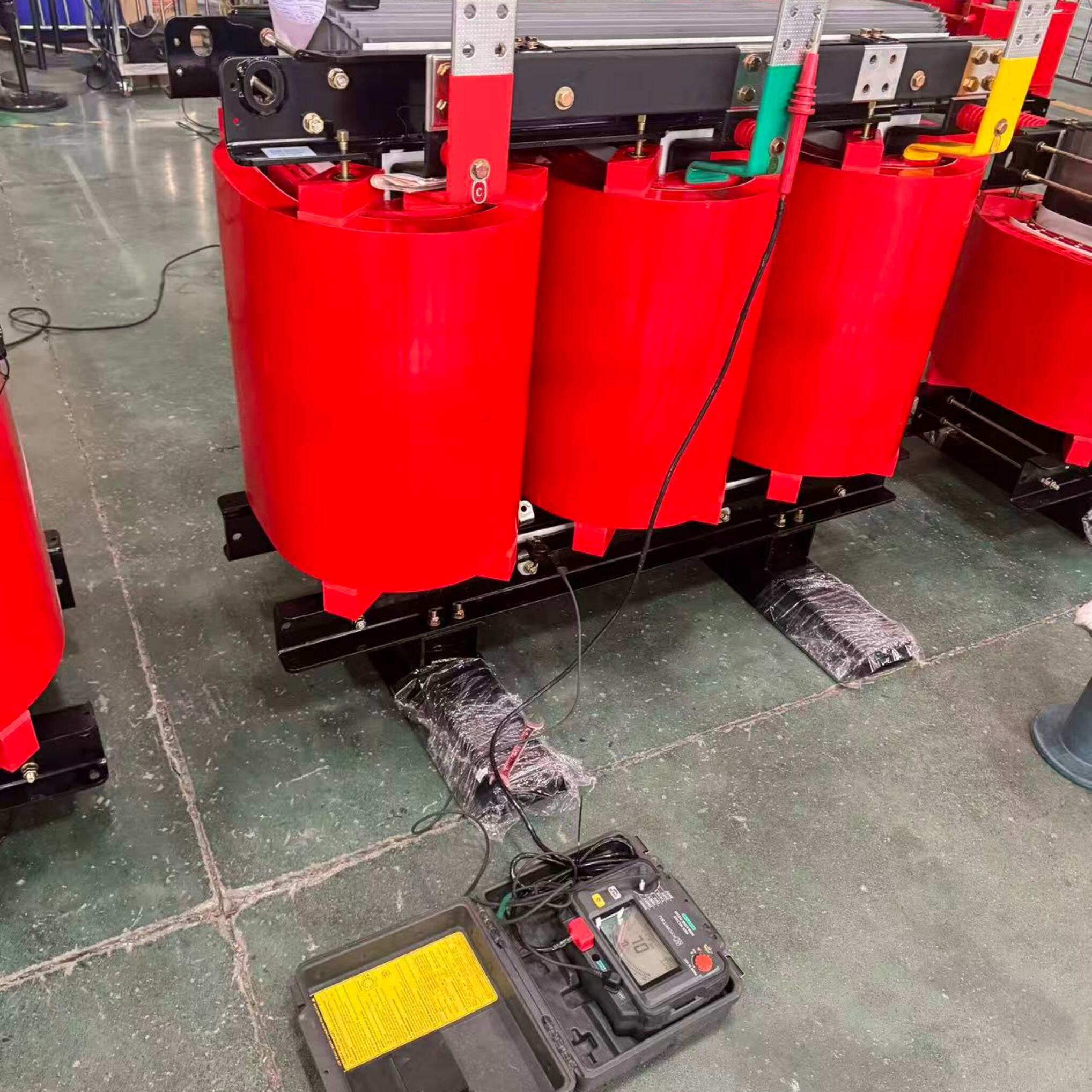
Transformers regularly experience severe environmental exposure, voltage changes and operational stresses. Transformers, without proper insulation resistance, are prone to electrical failure which can potentially cause downtime, repairs and is unsafe. A high insulation resistance is critical in helping to avoid a failure and to retain the electrical integrity of the system, while lowering the likelihood of short circuits or other issues. Insulation resistance is good enough to make the transformer work safely and stably at heavy loads for long years.
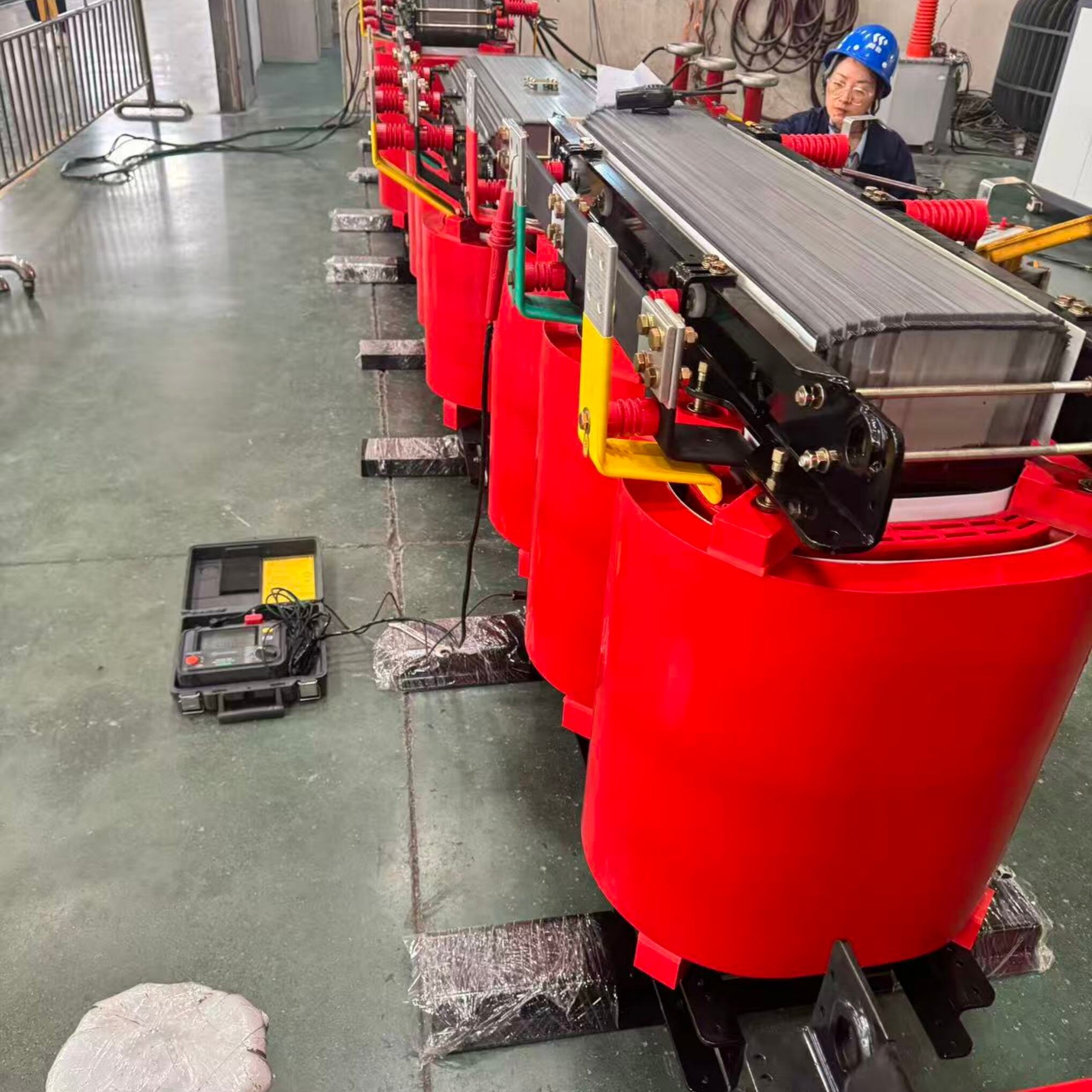
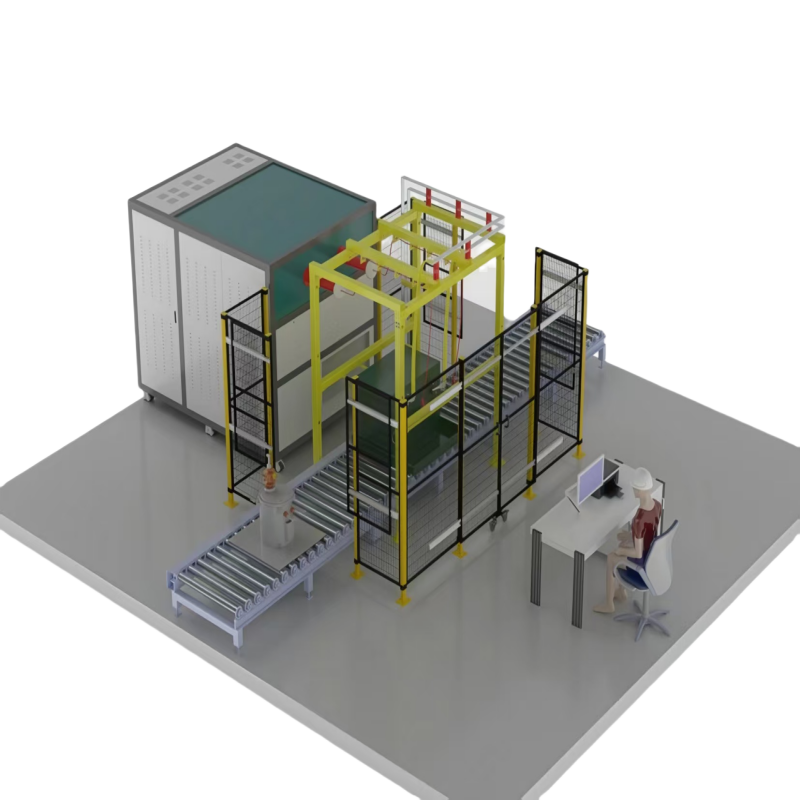
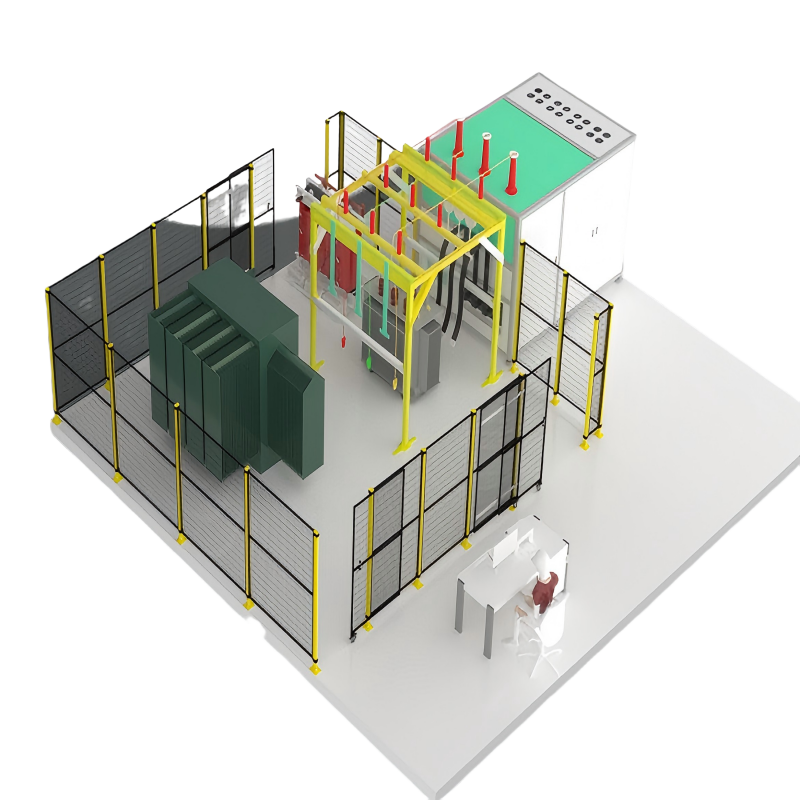
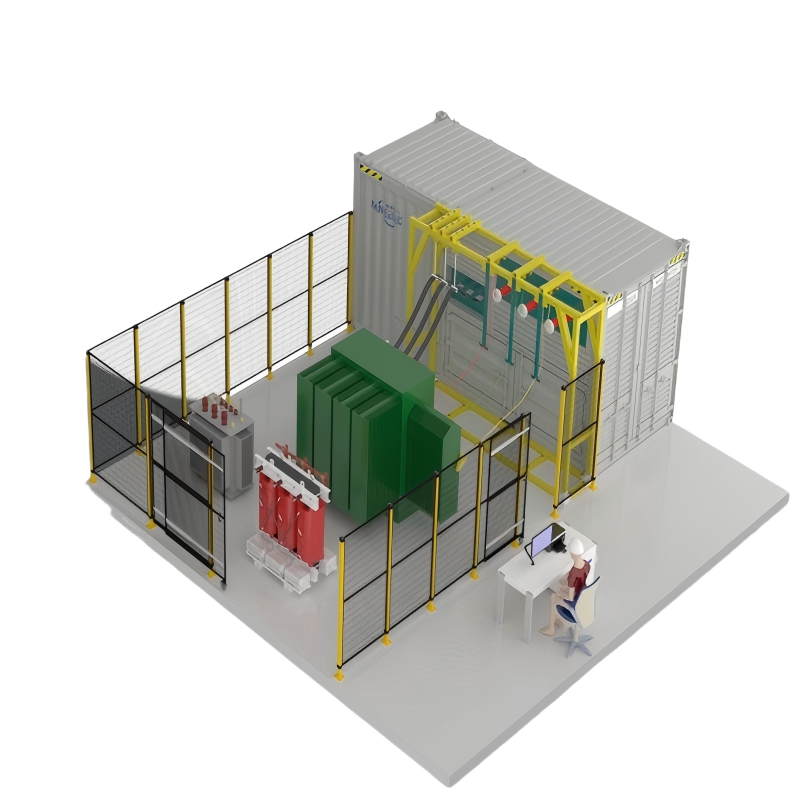
Quote: Originally Posted by pdt It does cost more because they are using crappier insulation. Spurners of better equipment that doesn't really belong on the job. Investing into transformers with premium Insulation Resistance (IR) has many advantages for industrial and commercial applications. Nankee's new transformer test system, with its exclusive design, can ensure the insulation resistance is up to industry standards so that both operators and businesses have peace of mind. 1 Introduction By making a wise selection of transformers with a good insulation resistance, the risk of electrical failures can be reduced, operation reliability increased and maintenance costs decreased. Higher insulation resistance saves energy, extends equipment life and improves system performance. Nankee has state of the art solutions which enable businesses to get top maximum performance and safety in their electric systems.
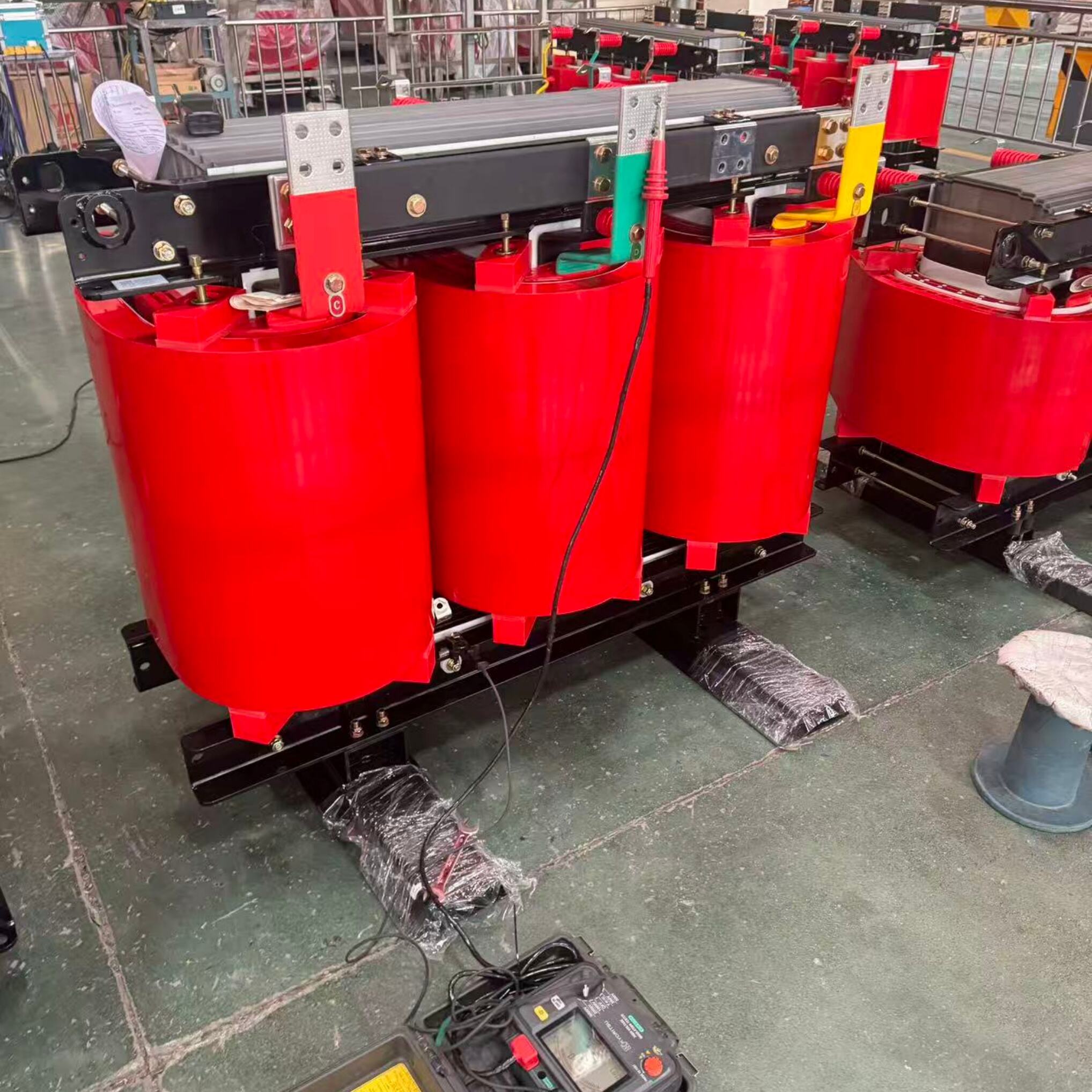
The insulation resistance of transformers can be affected by several parameters such as temperature, humidity, ageing in materials, and extra fillers. Insulation materials may lose their integrity, due to temperature change and cause variation of the resistance level. The insulation properties deteriorate over time due to humidity and moisture, which leads to lower resistivity, thus there is a risk of short-circuit accidents. Insulation resistance may also be damaged by aging or contamination of insulation materials. Good maintenance, testing and quality assurance of these devices should make them maintain a relatively high insulation resistance and work well under various environmental conditions.


 EN
EN