 ×
×
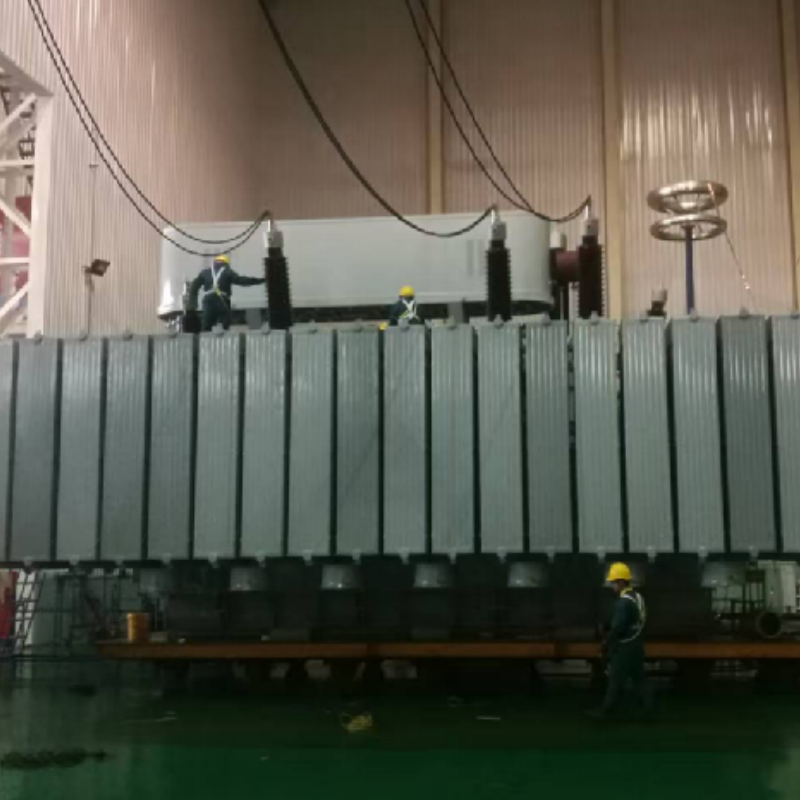
The Polarisation Index (PI) test is an essential method to evaluate the insulation status of power transformers. It includes resistance measuring for assessing the transformer insulation system condition. The indications Fully automatic distribution transformer testing system provide invaluable information on the state of a transformer and can be used to prevent unexpected downtime or failures. Knowing the significance of PI test and its advantages can help us make reliable and efficient operating transformer.
Transformer insulation system is the key part of transformer, whose performance directly affects the safe operation and service life of transformer. Insulation, however, over time may deteriorate from temperature, moisture, and contaminants. The PI test is used to identify early indications of insulation breakdown, which helps to prevent premature refurbishing or replacement. Testing PI ratio: By comparing IR (Insulation Resistance) at both minutes readings, the possibility of issues causing breakdown or failure is diagnosed with PI testing. Routine PI testing is critical in maintaining a safe and reliable transformer operation. Transformer Dielectric Loss Tester
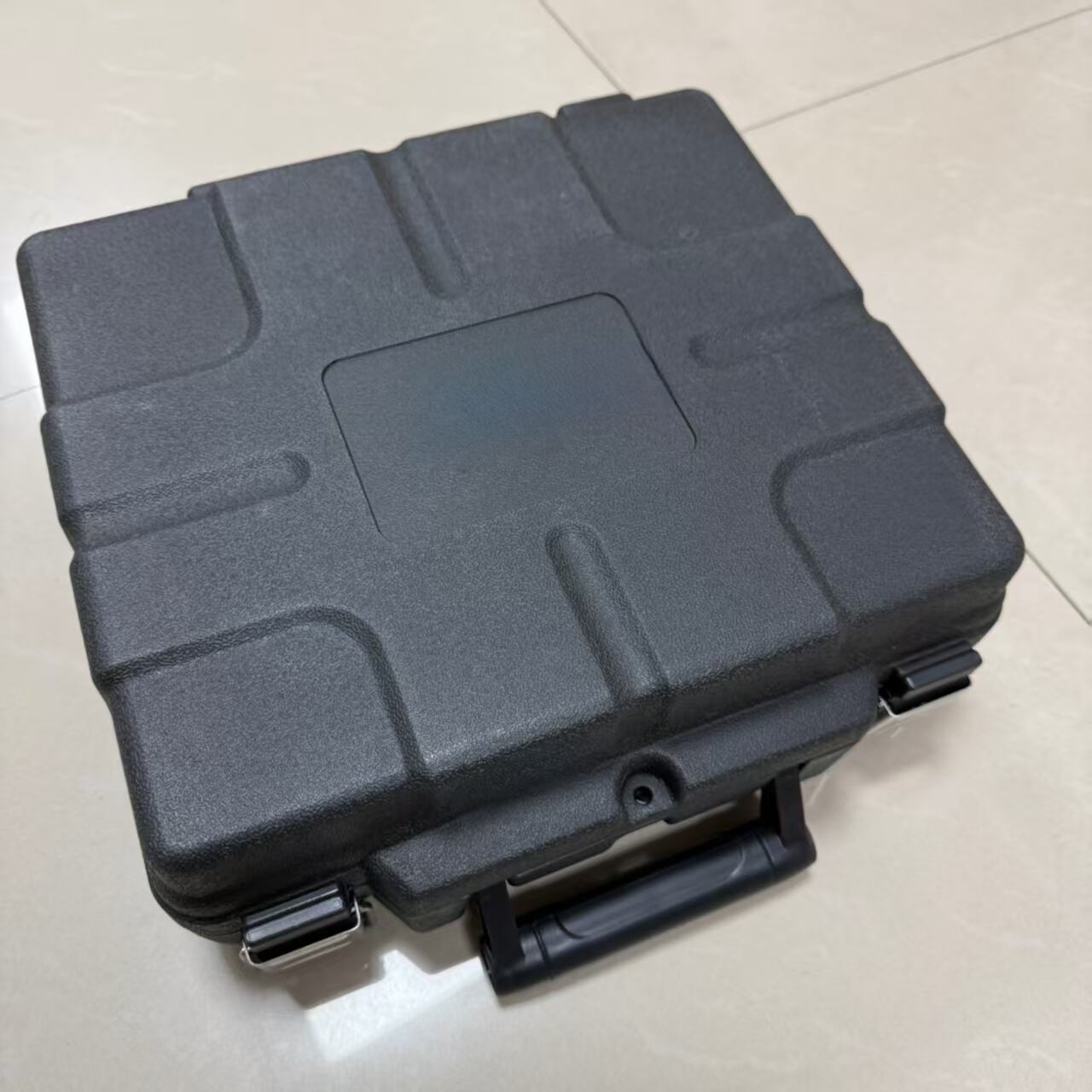
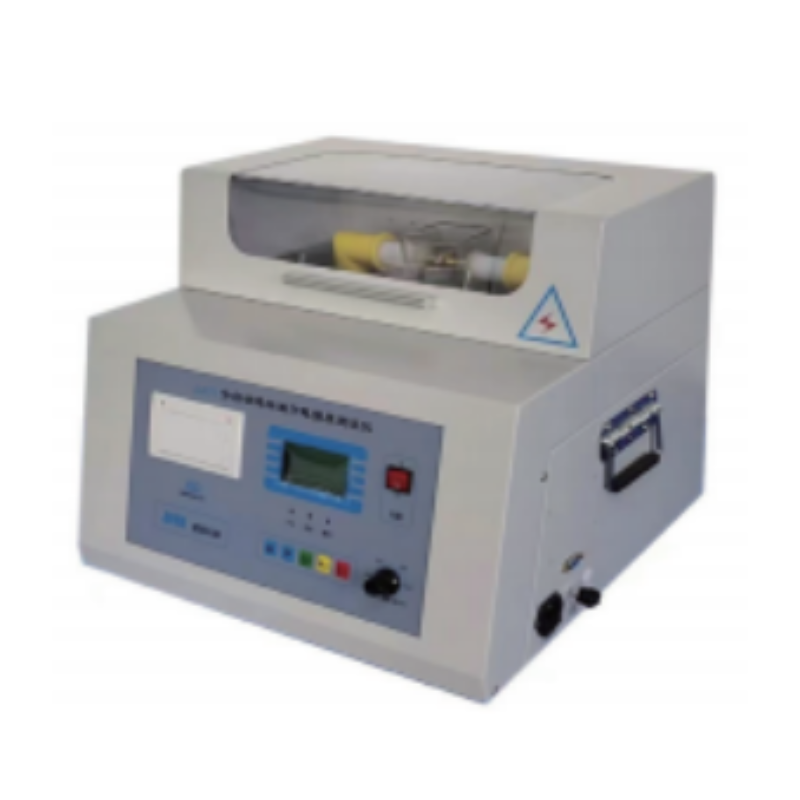
Polarisation Index test is an important tool to ensure the quality and efficiency of transformers. Insulation status can be checked, and PI testing can discover weaknesses before they cause significant troubles. This bears attentive maintenance and you'll be able to avert costly repairs and unplanned downtime. Furthermore, PI testing is useful to evaluate the lifetime of transformers and to optimize their performance. Through proper and dependable PI testing, transformer users can maximize the efficiency of their power supply. Insulating Oil Dielectric Strength Tester
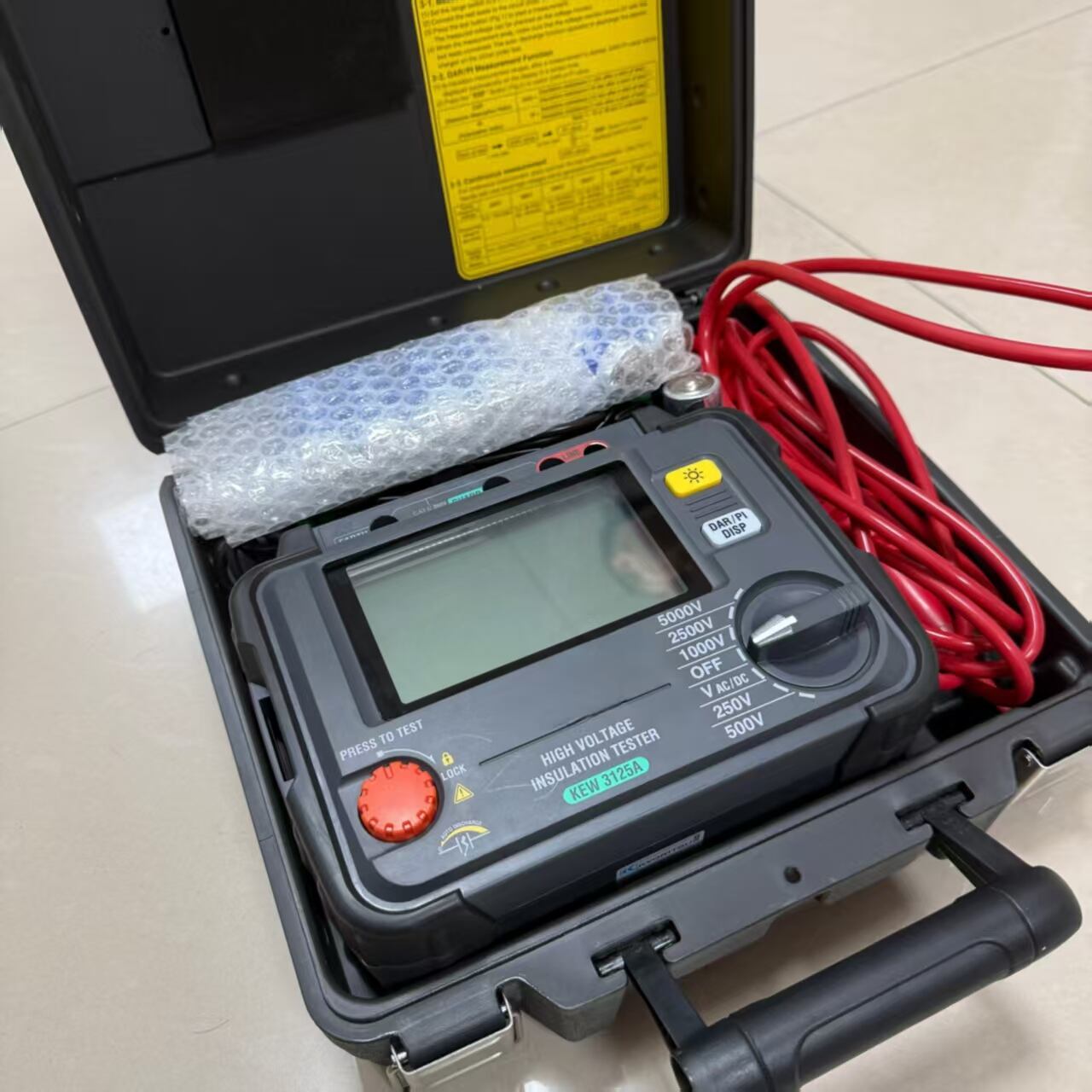
There are many advantages in performing the PI testing regularly to help maintain transformer reliability. PI testing, by detecting insulation problems before an outage occurs, avoids sudden transformer failures and hence, extends the life of transformers. This program of preventive maintenance lowers the chance of a costly breakdown - and means improved system reliability. Moreover, PI testing schedules maintain safety standards and comply with regulations, improving transformers' reliability and performance. PI testing does not have to be expensive. Regular PI Since PI tests do not have to become an extensive cost-related issue, this focus on the risk of operation. Design And Construction Of Power Transformer Test Station
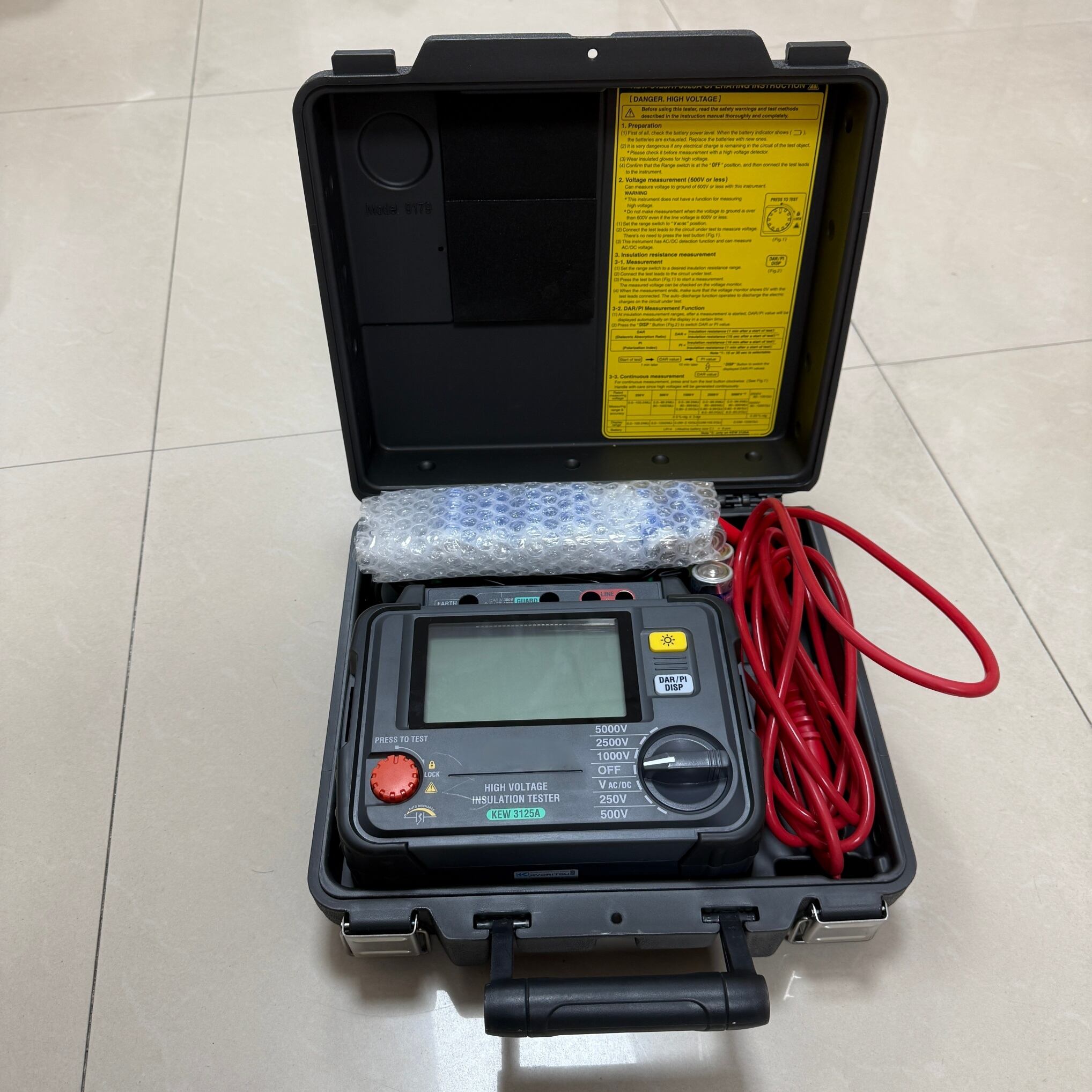
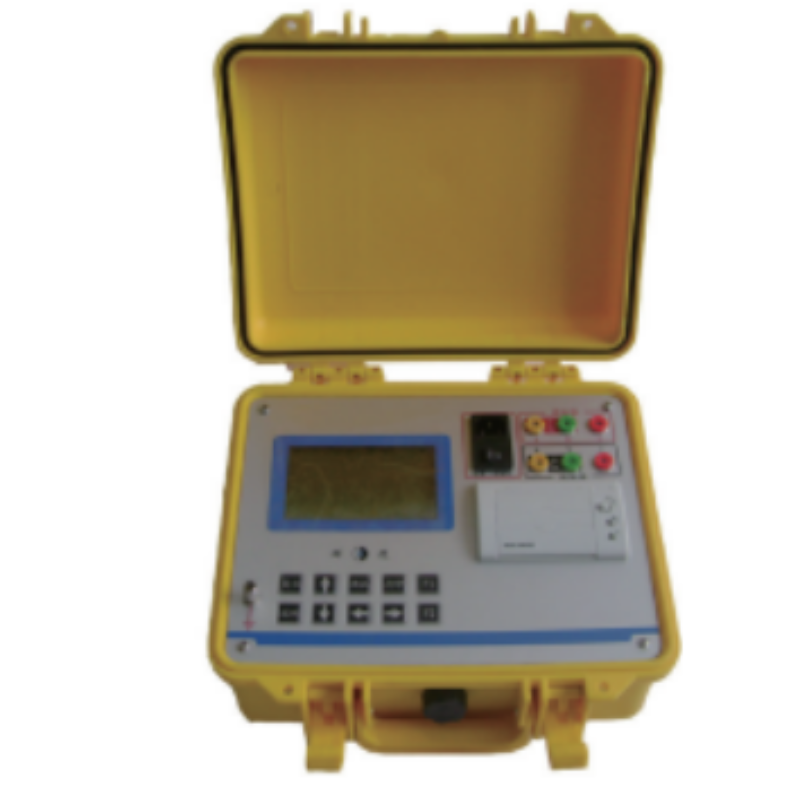
The interpretation of PI testing results is important to help in planning for the maintenance. A value of PI less than 2 suggests potential insulation problem, which needs to be further investigated and may require corrective action. A high PI value indicates good insulation, however, monitoring is needed continuously to find its variations with time. If you also know the value and trend of a PI number, which means we will go ahead to anticipate a proactive PO system and effect potential problems before they become critical. Recurring PI testing and analysis play an integral role in successful transformer maintenance planning. Turns Ratio Tester


 EN
EN