 ×
×
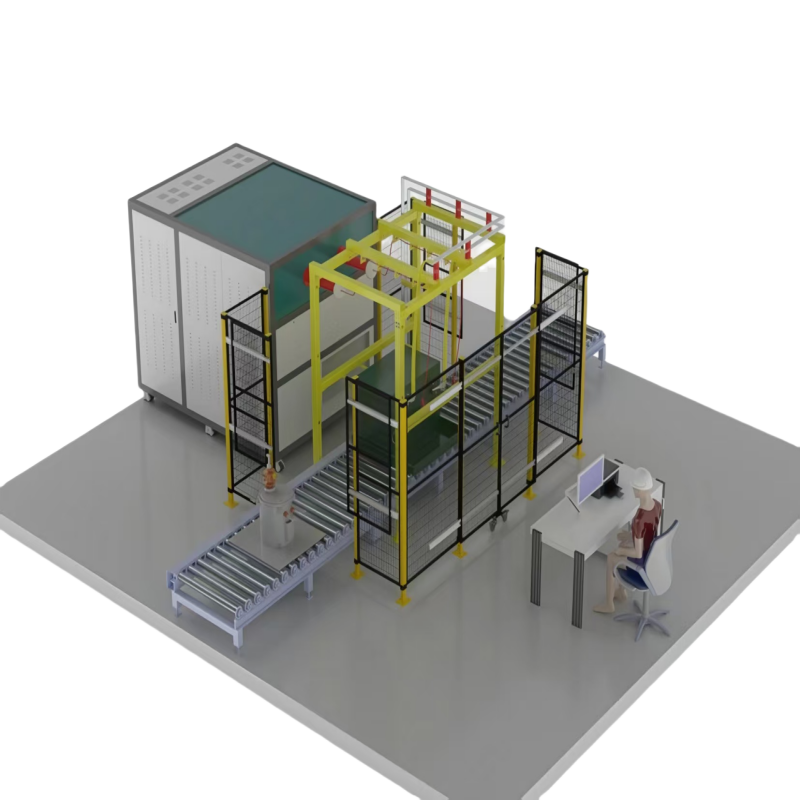
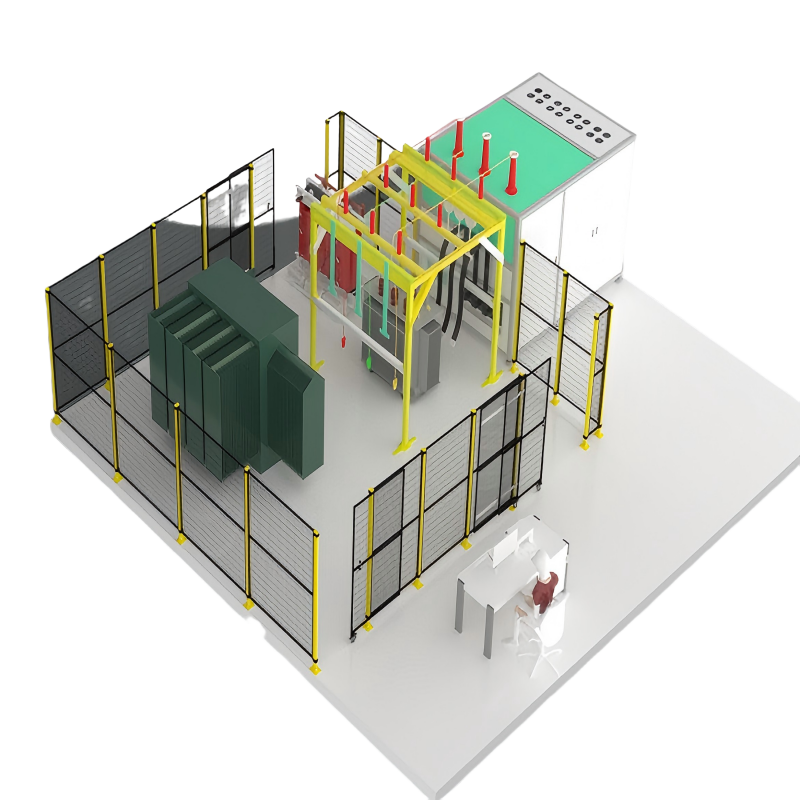
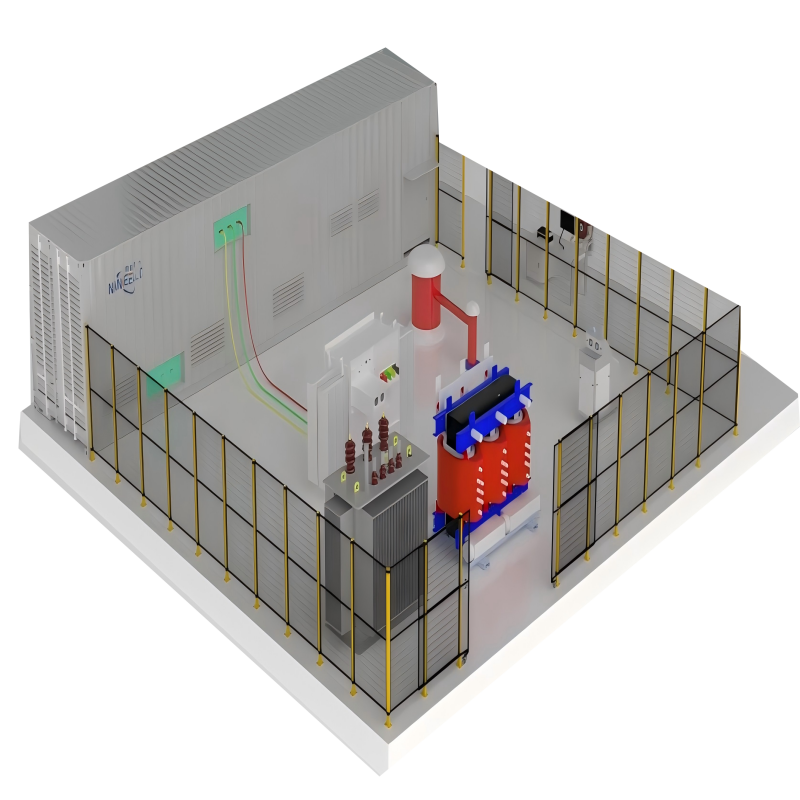
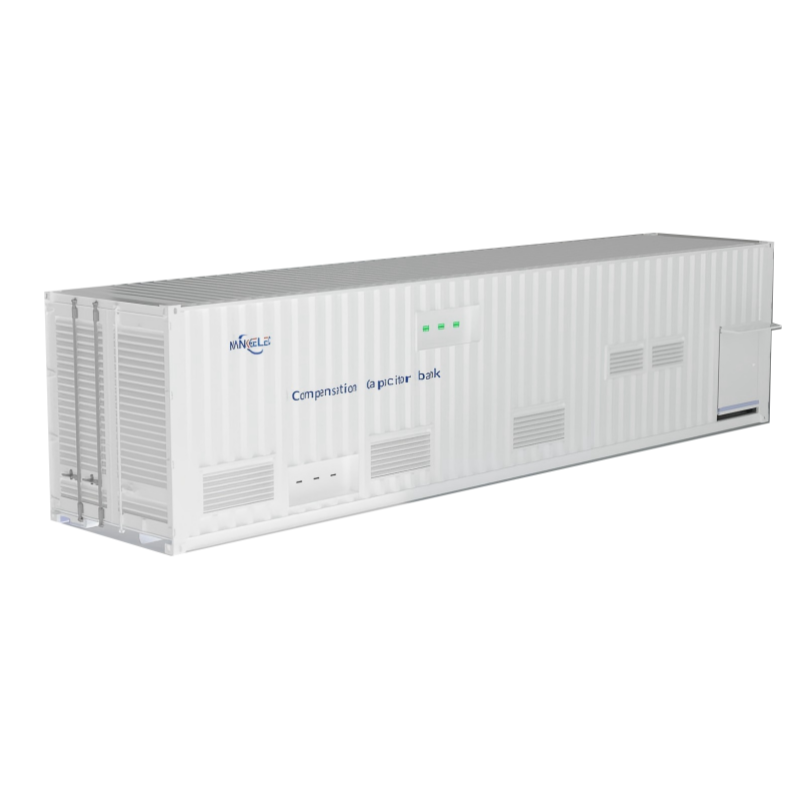
The no-load loss test of transformer is a very important test to check that the transformers are performing satisfactory and meet the customer’s requirements. Nankee has been focusing on high-quality industrial manufacturing and knows the significance of that testing method - ensuring your transformers to be reliable for applications. By load loss testing, manufacturers can check if there are any problems and carry out related adjustments in order to improve the performance of transformers.
Load loss test is important for transformer efficiency performance in various service conditions. This test evaluates how well a transformer can carry its rated load without excessive energy waste. Applying different loads to the transformer, engineers can measure its performance and efficiency levels. This data is necessary to confirm that the transformer complies with both industry standards and customer specifications.
Under load loss test, voltage, current and power factor were observed by engineers to see the transformer behaviour under different loading. Their real-time monitoring function (of the transformer as it was in operation) can help one to detect and predict the possible inefficiencies or malfunctions that could possibly affect its overall performance. The information acquired from these measurements enables manufacturers to make incremental adjustments to the design and production method of the transformer, in order to maximize its efficiency and reliability.
Overheating Overheating is another frequent load loss test failure as it may culminate in premature transformer failure. High temperatures are known to degrade the materials of insulation and other transformer components, thus reducing the performance of a transformer or its useful life. Engineers can pinpoint overheating problems by monitoring temperatures during no-load testing and take steps to avoid the risk of working it beyond its thermal capability.
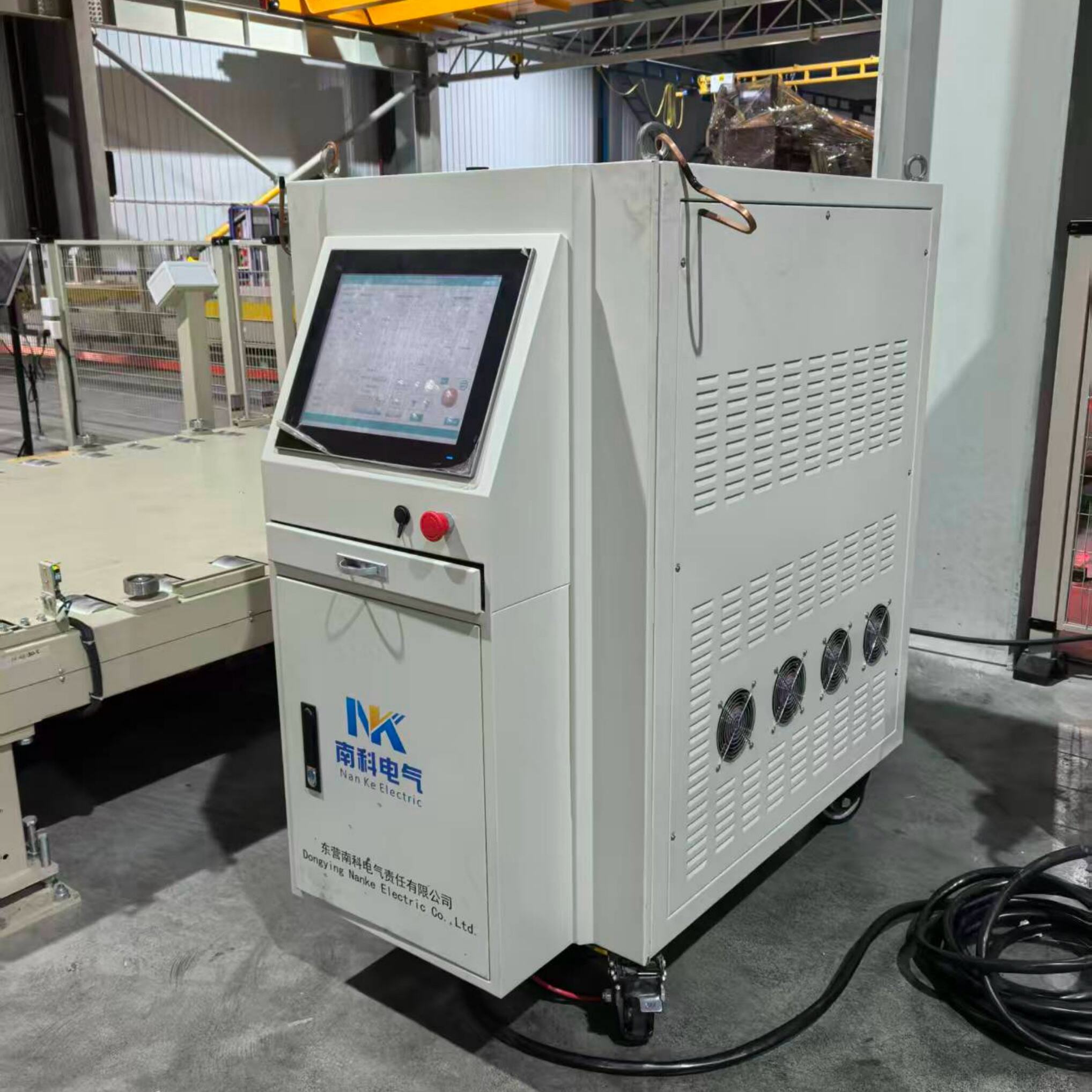
Load loss testing is a vital quality assurance method to assist transformers' manufacturers in assessing functionality and the efficiency of transformers. So by conducting these trials, manufacturers such as Nankee can spot and solve potential pain-points to be sure their transformers are of the most reliable and highest quality. This positive process not only results in customer satisfaction, but also builds that brand reputation across the competitive industrial manufacturing universe.
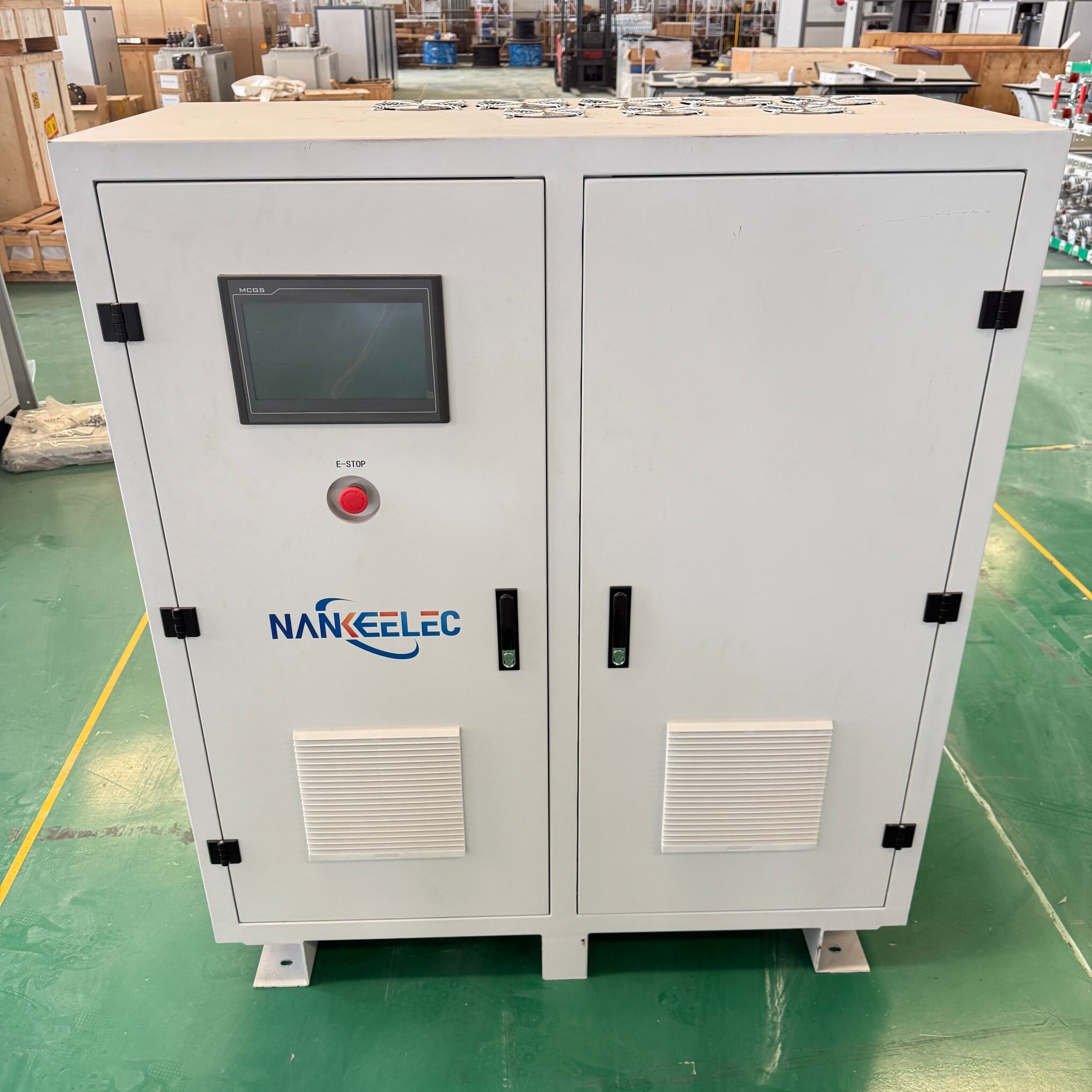
Load loss measurement is important when the performance and reliability of transformers are considered. Transformers are critical pieces of electrical equipment that transport electricity from power plants to our homes, businesses and countless other locations. Load loss test aids in determining the ability of a transformer to support its rated number of watts without consuming unnecessary energy. This testing is important since it helps to determine if there are any problems or issues with the transformer that might interfere with its operation and longevity. From such power loss tests, we can be confident that transformers operate at peak efficiency and do not waste energy or breakdown from electrical stress.
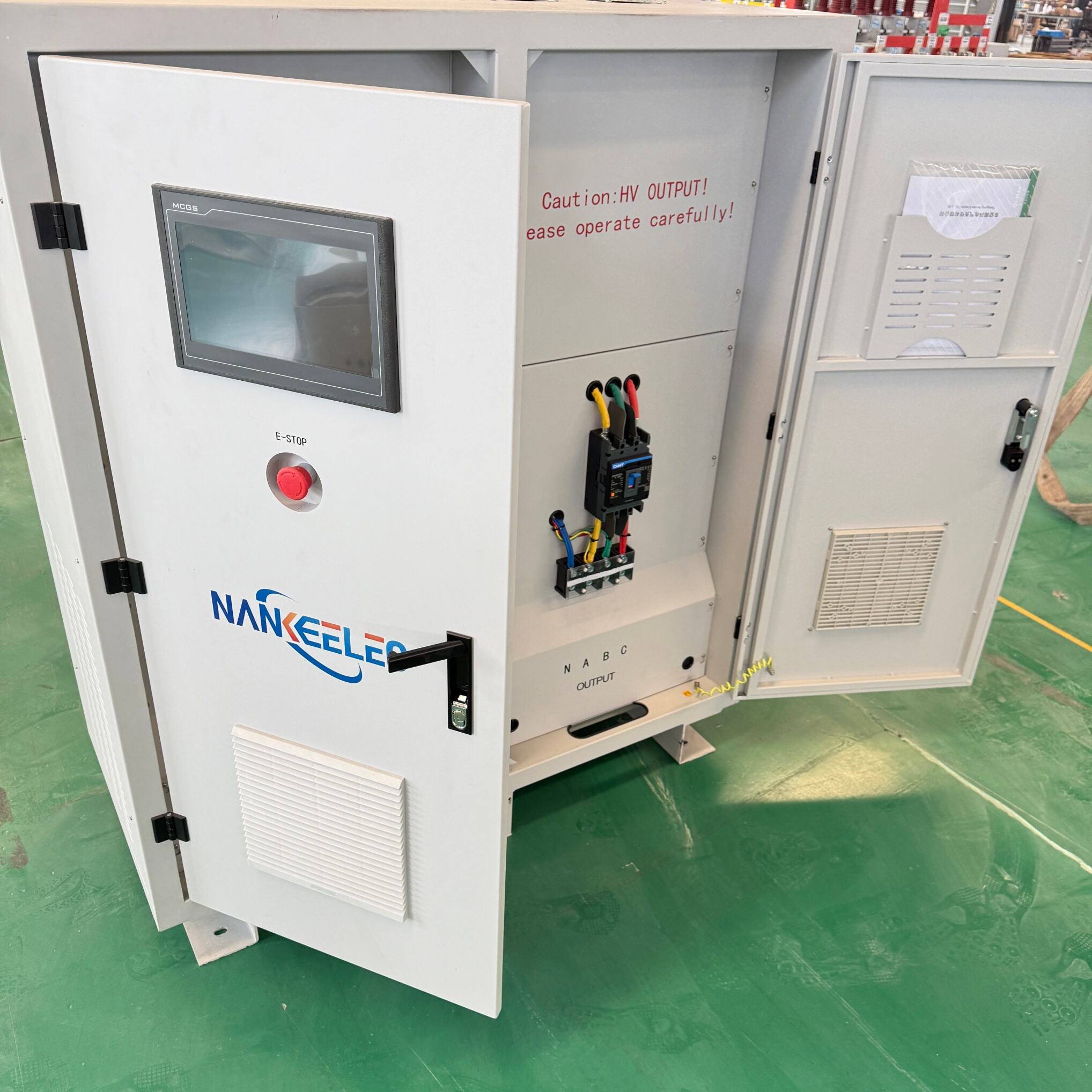
Load-loss testing of transformers has several advantages. The primary reason is that since the transformer is already there, it can help detect a number of inefficiencies or faults in the transformer that result in energy loss. Through early detection of these problems, corrective action can be made to enhance transformer performance and save energy. Secondarily, no-load-loss testing assures that transformers are performing within the design limits to minimize possible overheating and potential electrical damage. This in turn helps to add to the life span of the transformer, saving costly expenditure for repairs or replacement. Finally, the load loss test supplies valuable information which allows us to make informed decisions regarding maintenance and the operation of transformers for better long-term efficiency and reliability.


 EN
EN