 ×
×
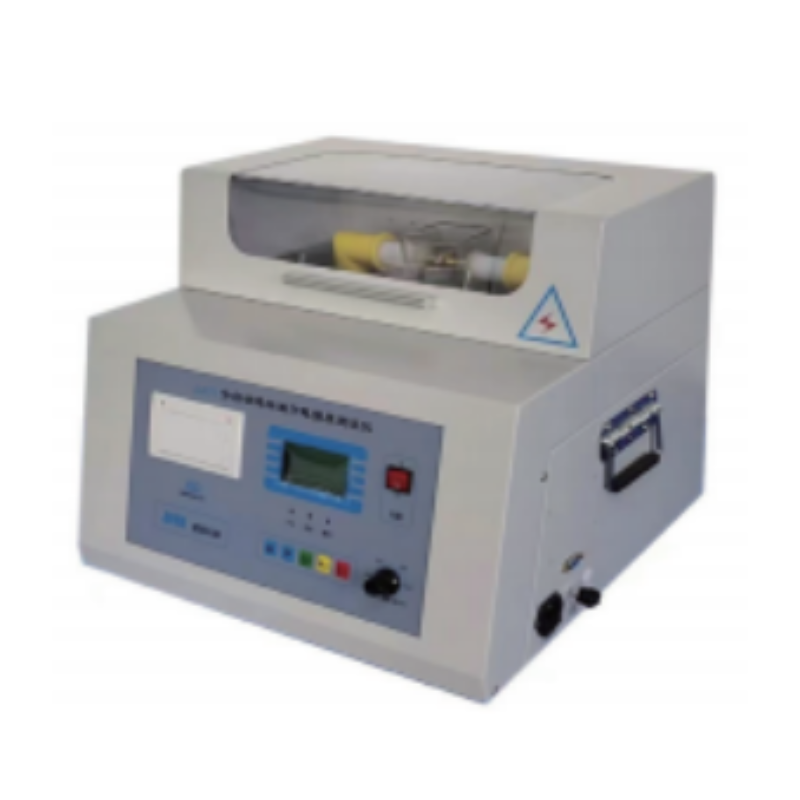
The dielectric testing of transformers is one of the most important procedures in guaranteeing its safety and quality. Transformers are an essential part of electrical systems and find application in the transmission of energy from one circuit to the other. Transformers need to be dielectric tested, in order to ensure that they are functioning properly and don't present any risks. This procedure also serves the purpose to find any insulation issues before they cause a malfunction if not worse. Manufacturers can use dielectric tests to ensure that the transformers they produce are built in accordance with industry standards and perform safely.
The insulating properties of the dielectric used in a transformer must be tested for quality control and to ensure correct functionality. If a transformer insulator breaks down, short circuits, fires, or even explosions can be the consequences. Transformers can be dielectric tested to determine if there are any insulation material defects and avoid such incidences. These tests consist of applying high voltage to the transformer to see if it can withstand the stress. If the insulation fails during testing, then there may be a problem that needs to be resolved before placing the transformer in service. As such, dielectric testing is a key factor in ensuring the operational reliability and performance of transformers.
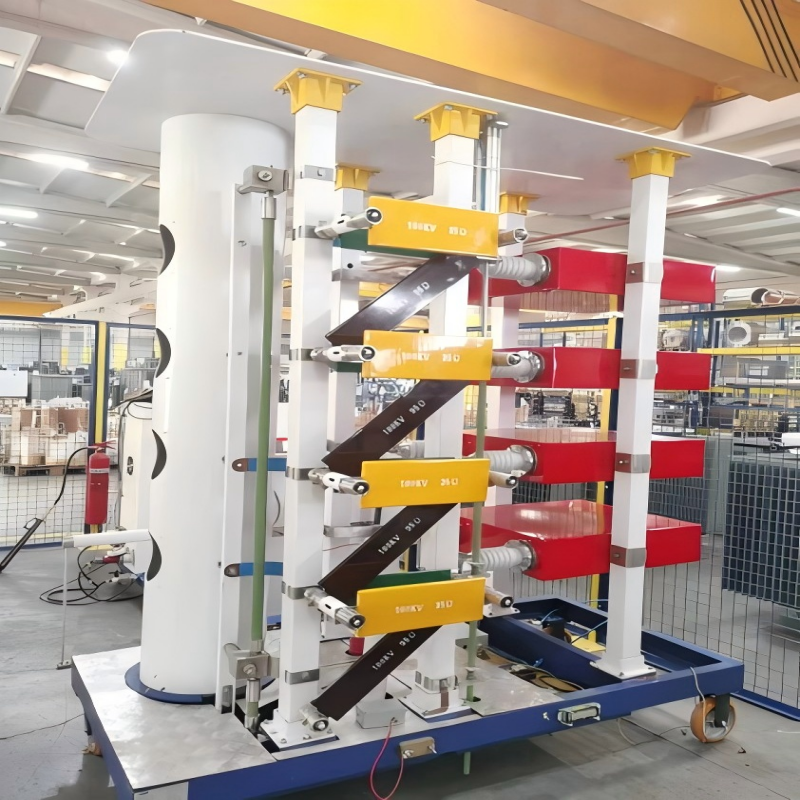
Certifying the standards of a transformer such as oil dielectric is important in order to assure its products' overall quality. There are companies (like Insulating Oil Dielectric Strength Tester) that offer quality dielectric testing services for transformers. Nankee has a group of senior experts, working on the design of a practical and reliable new insulation detection device for the transformer. Nankee has a group of experienced technical personnel, we selenium drum rotor tester is in transformers (particularly power transformer) heat run test and electric inspection indispensable apparatus to measure the integrity of insulating materials. These professionals work with the latest equipment and also adhere to industry standards for quality result. Manufacturers that choose to work with Nankee for dielectric testing services can rest assured that their transformers are safe and dependable for use in a wide range of applications. It's important to rely on trusted businesses such as Nankee for dielectric testing services that can ensure the quality and safety of transformers in electrical systems.
It is also essential to take into account whether the testing provider has a good name. Check the ratings and testimonials of other clients to make sure that the provider is reliable in providing superior quality of services. You can also ask about the provider's certifications and accreditations to establish that they are up to national snuff.
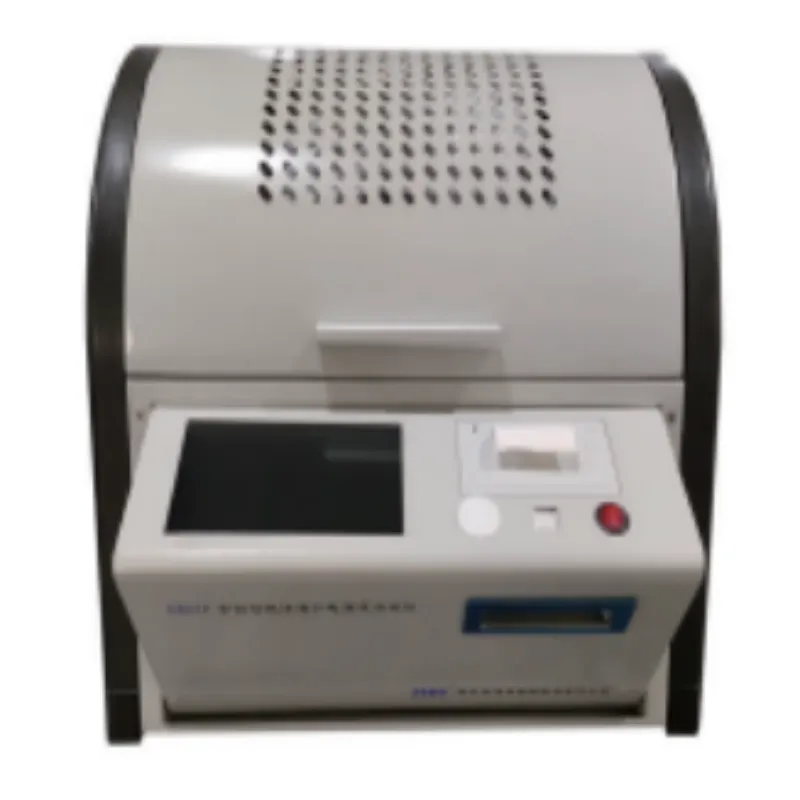
As a general guideline, dielectric testing should be conducted at least annually where transformers are concerned. It might be the case though, more frequent testing is required. For instance, if a transformer operates in a dirty and hostile environment or heavy-duty followed by testing might more regularly be necessary to maintain them fully functional.
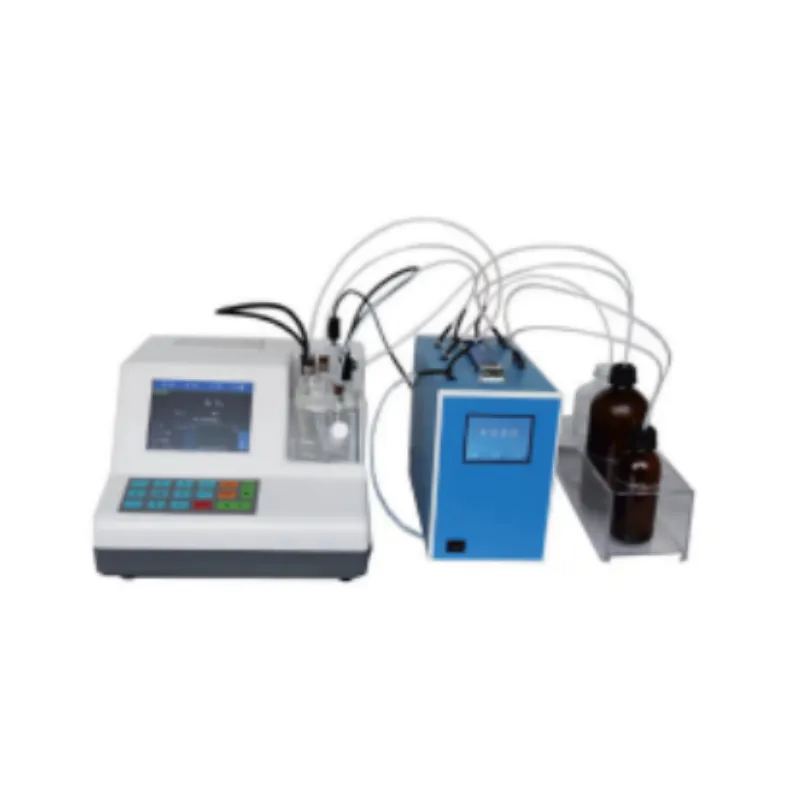
Dielectric testing on transformers can be an investment that gives you plenty of benefits in return for your equipment and operations. There are a number of significant advantages to dielectric testing and one of those benefits is the ability to narrow down any possible problems with your transformer before they result in expensive downtime or costly repairs. The earlier you spot potential issues, the better chance they can be addressed before developing into something more severe.
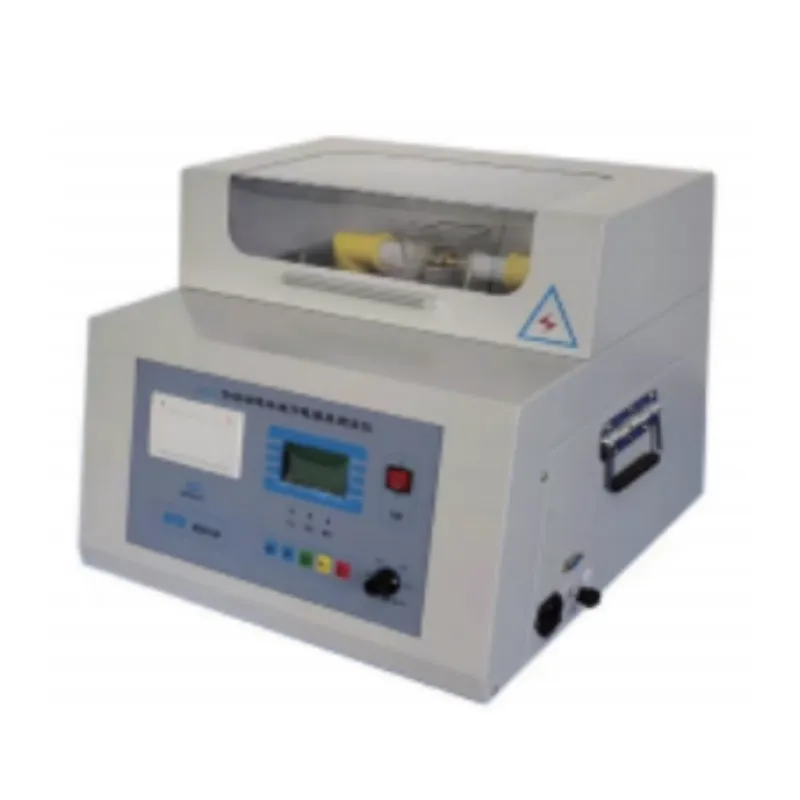
In addition, dielectric testing can be an essential part of safety measures for your equipment and employees. Being able to see potential problems with the electrical system in the home can help you deal with issues before they become larger problems and possibly cause a fire or an accident. This can provide a more safe working environment for your staff and decrease the chances of having downtime from accidents.


 EN
EN