 ×
×
Insulation resistance test tests the insulation of the conductors within a motor. This test assists in identifying weaknesses or breakdowns of the insulation that may result in electrical faults and motor failures. Using a device called a "megohmmeter" (a.k.a. "megger"), it is possible for electricians to apply high voltage to the motor's windings and compare resistance readings to ground. A reading with minimal resistance signals a possible damage of the insulation, and a reading with high resistance shows that the insulation is sound.
Safety is another major advantage of insulation resistance testing. Expose insulation issues before they develop into potential electrical shock, fire, or other safety hazards prevalent among its respective market categories. And ensuring motors are adequately insulated also goes a long way toward meeting safety regulations and standards, which helps to safeguard workers and property. An investment in regular testing will pay for itself by serving as a safeguard against virus risks and the legal and financial repercussions of failing to keep employees safe.
Insulation resistance testing is preventive maintenance and can be the difference between a ruined motor and getting home from a trip without issue. It helps you find insulation breakdowns early, so you can solve problems before they damage the motor windings. This early warning gives you the opportunity to correct deficiencies like cleaning, re-coating, or replacing insulation and restore motor integrity and prevent further deterioration. By testing periodically, you can keep ahead of problems and be sure your motors are running at their best.
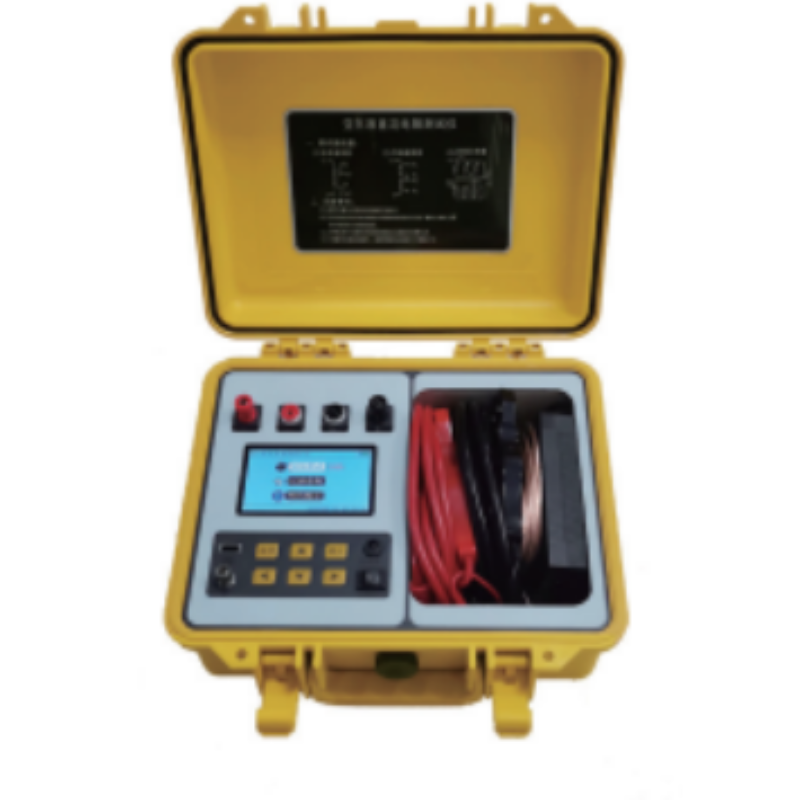
Fully automatic distribution transformer testing system and Semi-automatic distribution transformer test system are essential tools in transformer testing.

In addition to precluding motor failures, insulation resistance tests may also reveal other problems that could interfere with motor operation. You can use this trend to measure the tendency with which insulation resistance deteriorates over long periods of time. For instance, a rapid fall in insulation resistance could indicate moisture or contaminants poisoning the insulation. By getting on top of these problems sooner rather than later and not let the damage become too extensive for your motor to fully recover from.

For consistent functioning and achieving production targets, motor reliability is of utmost importance. Include insulation resistance testing as part of your maintenance regime, and you can expect an improvement in motor reliability and a corresponding decrease in incidents of unanticipated stoppages. Testing often helps you spot issues early, take prevention or corrective actions& to maintain motor performance. By being preemptive, this reduces the risk of unscheduled downtime and thus avoid production flow disruptions.

Insulation resistance measurement also arrests potential problems. Insulation integrity of a motor should be tested with an insulation resistance tester as part of all preventive programs. Keep Heat Generation Down and Motors Running Keep energy losses low with the right insulation to help with your operations by insulating all components properly. Insulation resistance test results can tell you a lot about the condition of your motor windings and help you to make informed decisions about maintenance or repair. Regular testing: Investing in regular testing is one of the most important things you can for the reliability and efficiency of your motors, improving overall operation and performance.


 EN
EN