 ×
×
Auto& nbsp; transformer& nbsp; systems must be known& nbsp; for proper and safe operation& nbsp; of electrical& nbsp; systems. Fault& nbsp; A& nbsp; frequent& nbsp; fault encountered in& nbsp; the ratio setting of auto transformer is& nbsp; misalignment& nbsp; or& nbsp; wrong& nbsp; selection of turns& nbsp; ratio,& nbsp; leading to& nbsp; incorrect voltage regulation& nbsp; and damage& nbsp; to the& nbsp; connected load.& nbsp; This can occur because of& nbsp; production flaws, misapplication, or wear and tear on& nbsp; the& nbsp; transformer. The& nbsp; only& nbsp; way to mitigate& nbsp; or& nbsp; resolve this problem& nbsp; is& nbsp; to perform periodic routine& nbsp; inspections& nbsp; and& nbsp; calibration of& nbsp; the transformer& nbsp; to make sure that& nbsp; the& nbsp; turns ratio remains within& nbsp; certain limits.& nbsp; Additionally,& nbsp; the& nbsp; use of insulating& nbsp; oil dielectric& nbsp; strength& nbsp; tester& nbsp; can& nbsp; help in& nbsp; detecting& nbsp; any potential& nbsp; issues related to& nbsp; insulation breakdown.
Another common problem of& nbsp; autotransformer turn ratio& nbsp; is the unbalanced& nbsp; voltage,& nbsp; which means the output voltage of the secondary winding& nbsp; cannot reach the desired level.& nbsp; This& nbsp; can lead to fluctuations& nbsp; in power& nbsp; supply, equipment failure, and safety& nbsp; hazards.& nbsp; To& nbsp; grapple with this, it& nbsp; is extremely& nbsp; necessary& nbsp; to try to uncover the reason& nbsp; behind voltage imbalance which& nbsp; can be& nbsp; received from various causes& nbsp; like load imbalance, faulty& nbsp; connections,& nbsp; or& nbsp; insulation& nbsp; breakdown.& nbsp; Once the faults& nbsp; have been& nbsp; detected& nbsp; and corrected, the auto& nbsp; transformer turns ratio can be optimal for& nbsp; reliable and& nbsp; stable& nbsp; voltage.
The auto transformer turn ratio is& nbsp; the most important parameter which has a great& nbsp; effect& nbsp; on& nbsp; the performance and safety& nbsp; of electric& nbsp; systems. By being aware of the significance of such a& nbsp; rate, as well as discussing some& nbsp; typical problems which may& nbsp; occur, allows to keep& nbsp; transformers& nbsp; and& nbsp; equipment connected& nbsp; to them working efficiently and reliably. It is& nbsp; necessary to maintain, calibrate, and troubleshoot the auto transformer& nbsp; at& nbsp; regular intervals& nbsp; to& nbsp; achieve& nbsp; better performance for industrial use.
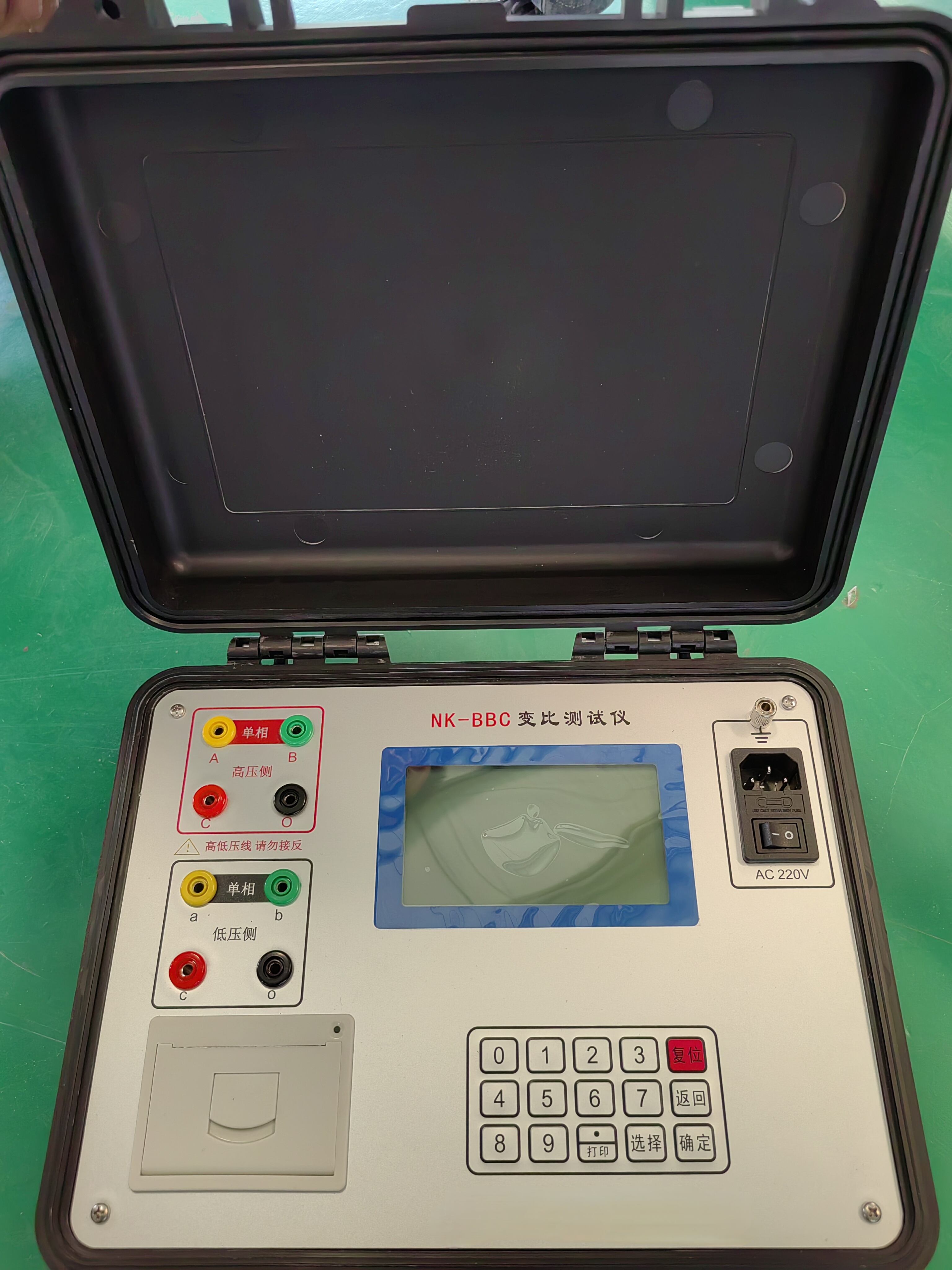
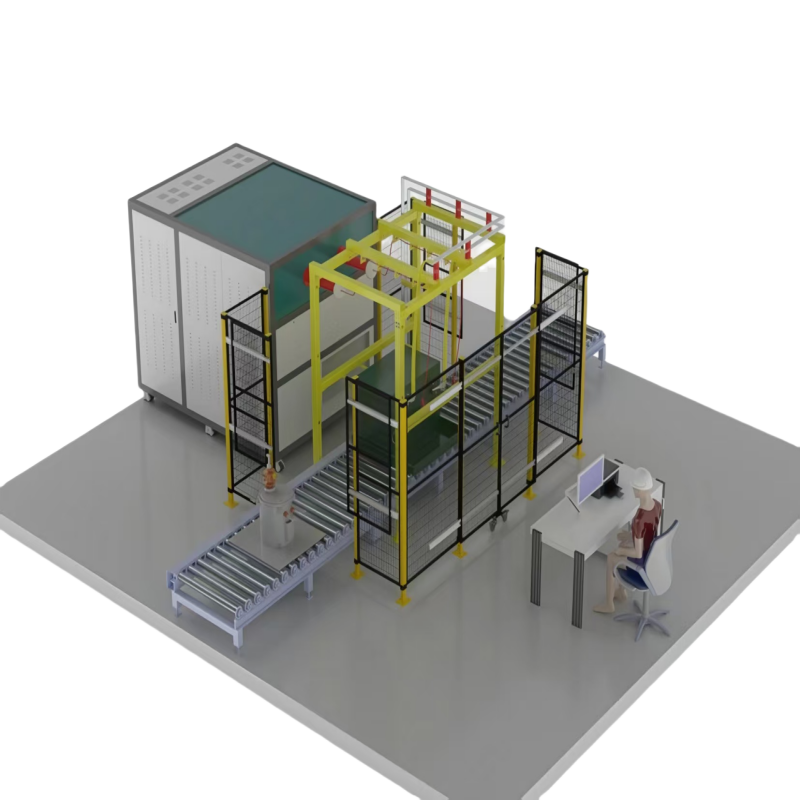
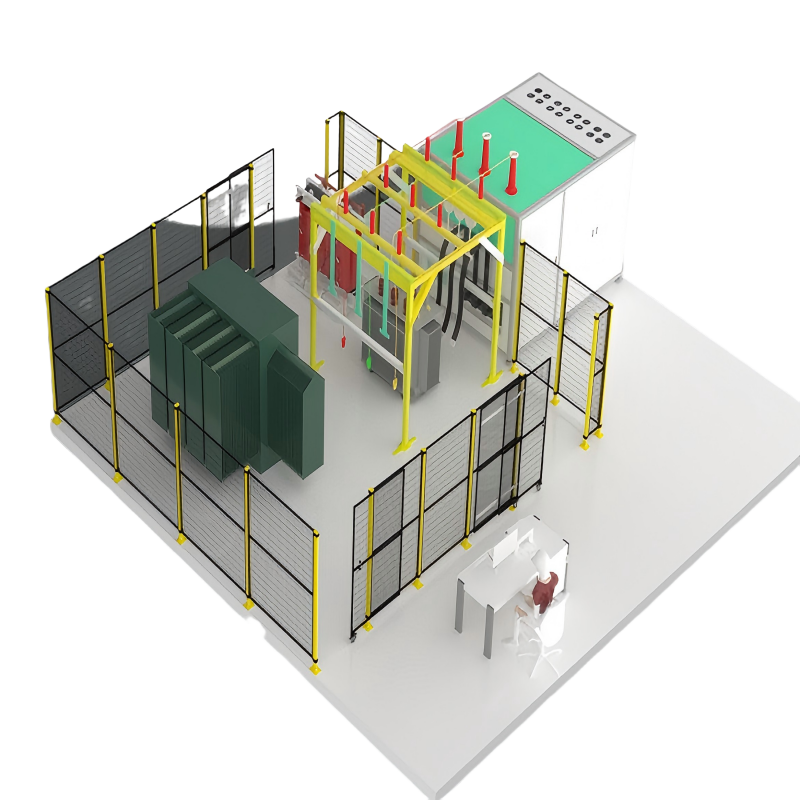
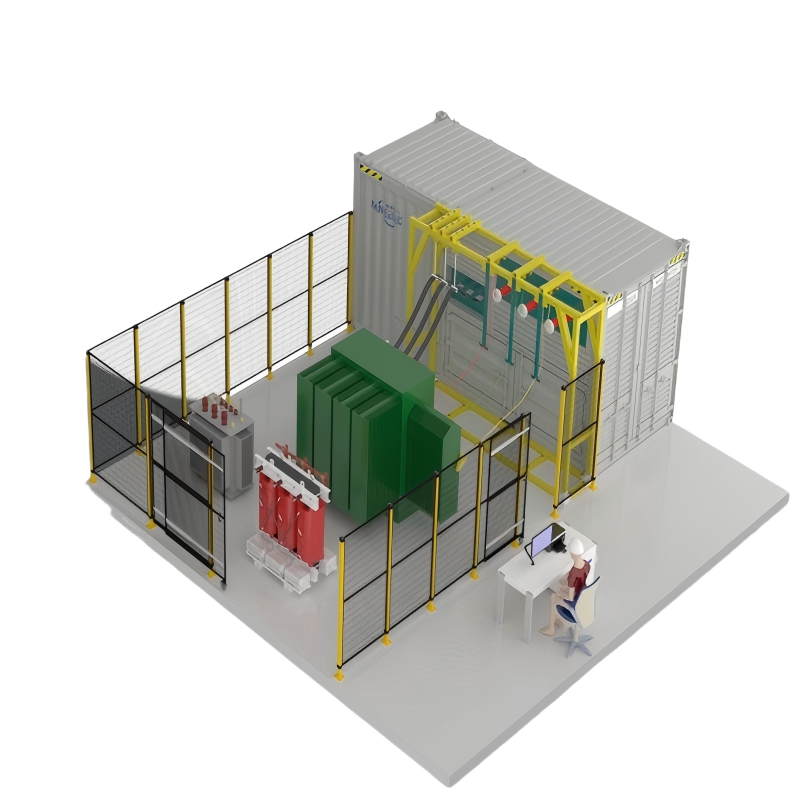
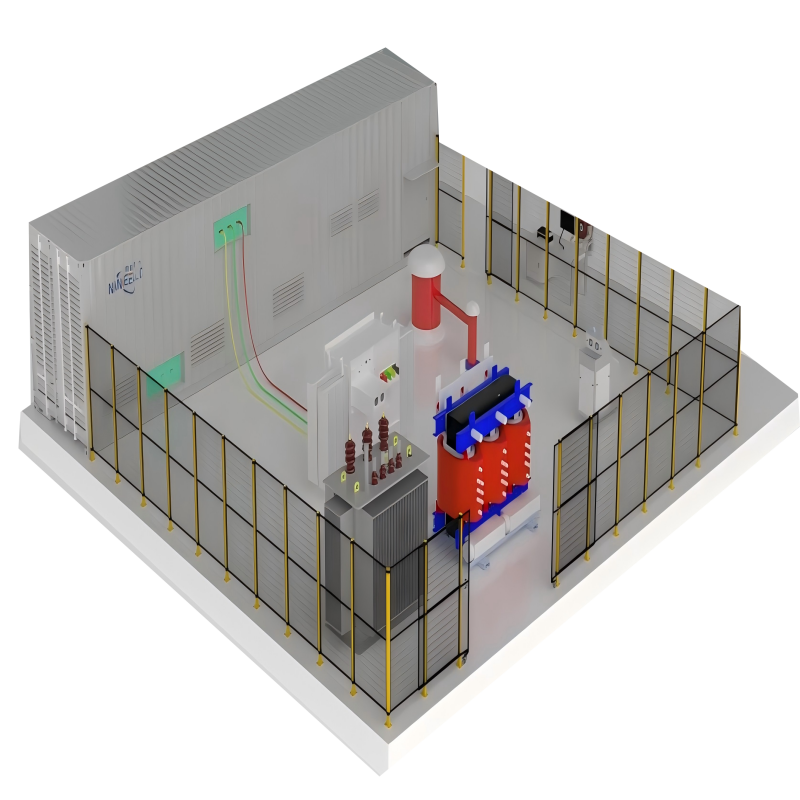
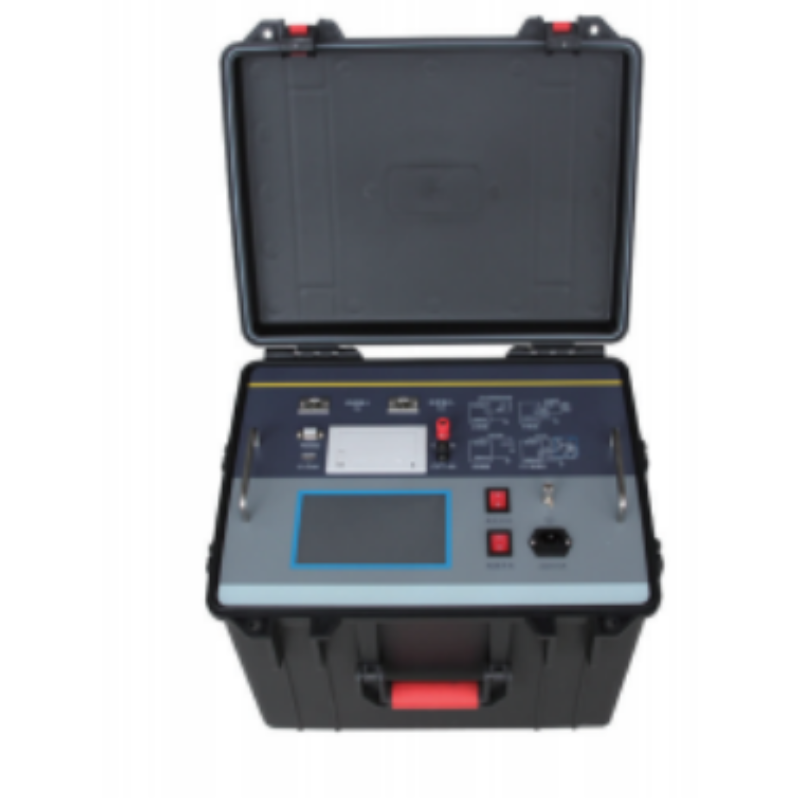
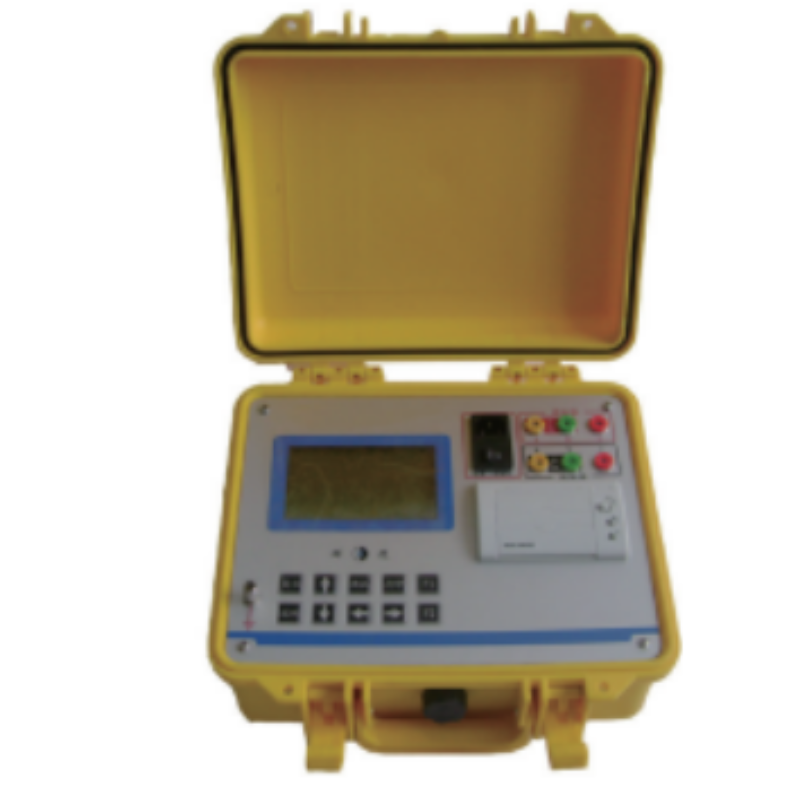
Auto transformers form& nbsp; a vital& nbsp; component of& nbsp; electrical& nbsp; systems& nbsp; and& nbsp; aid in the& nbsp; efficient control& nbsp; of voltage& nbsp; levels.& nbsp; The& nbsp; number of turns ratio,& nbsp; i.e. the number& nbsp; of& nbsp; turns& nbsp; in the& nbsp; primary& nbsp; winding& nbsp; divided& nbsp; by& nbsp; those& nbsp; in& nbsp; the secondary,& nbsp; is& nbsp; also& nbsp; an& nbsp; important issue& nbsp; for& nbsp; autotransformers.& nbsp; A turns ratio& nbsp; is important& nbsp; to& nbsp; have& nbsp; the& nbsp; auto& nbsp; transformer& nbsp; able& nbsp; to alter& nbsp; voltages.& nbsp; Additionally, utilizing a turns& nbsp; ratio& nbsp; tester can& nbsp; help& nbsp; in& nbsp; accurately determining& nbsp; the& nbsp; turns& nbsp; ratio of the& nbsp; transformer.
& nbsp;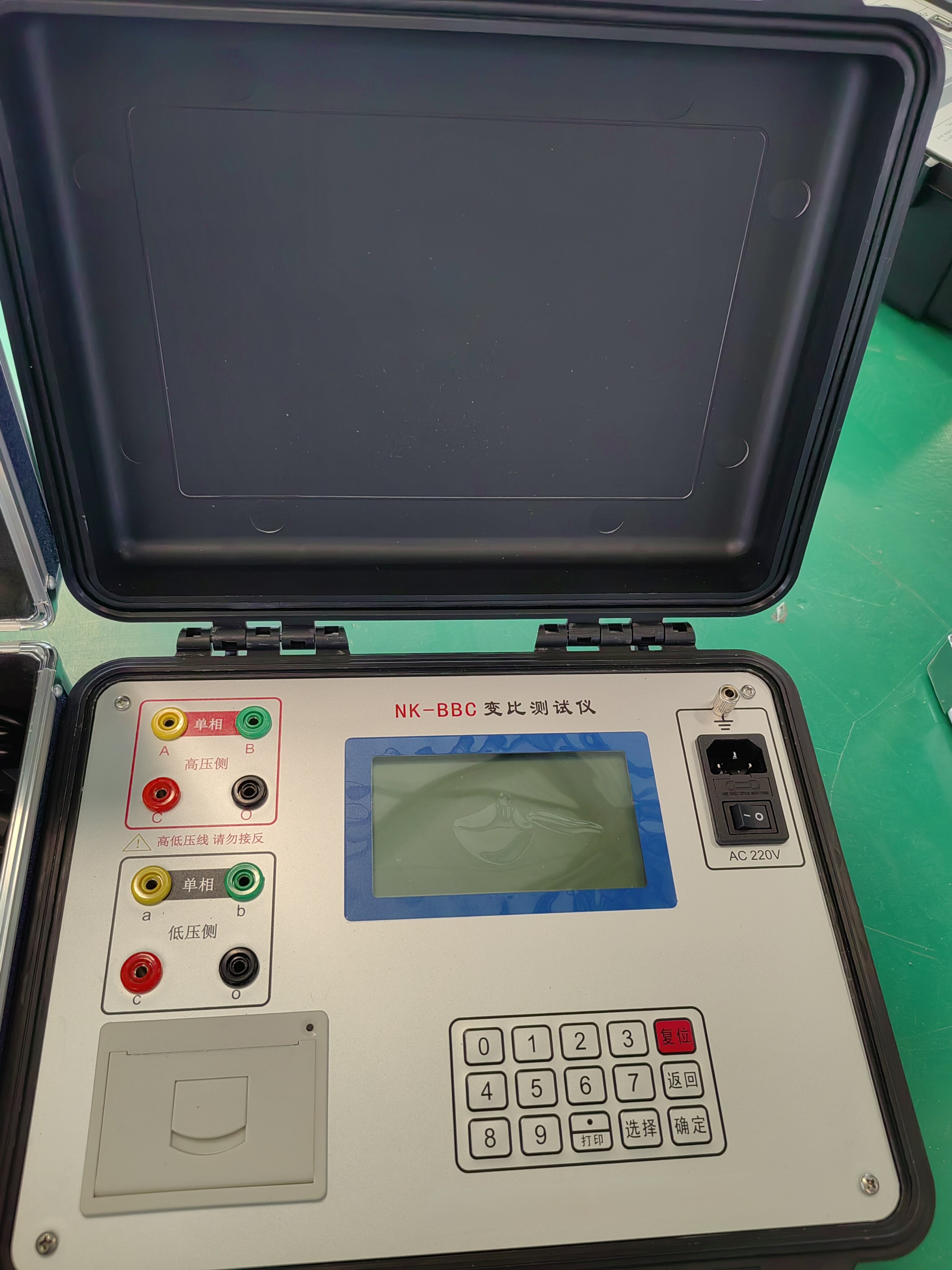
Various& nbsp; benefits& nbsp; can& nbsp; be& nbsp; achieved& nbsp; by punching different& nbsp; turns ratios according& nbsp; to the respective& nbsp; demands& nbsp; of& nbsp; electrical& nbsp; systems. The& nbsp; primary& nbsp; and the& nbsp; secondary are& nbsp; returned& nbsp; ratio& nbsp; dependent,& nbsp; for& nbsp; instance, a& nbsp; lower number& nbsp; of& nbsp; turns provides& nbsp; a& nbsp; higher& nbsp; voltage multiplication& nbsp; capability,& nbsp; being& nbsp; advantageous& nbsp; in& nbsp; case a substantial& nbsp; increase& nbsp; of voltage& nbsp; level& nbsp; is& nbsp; required.& nbsp; Conversely, a higher ratio& nbsp; may give& nbsp; better regulation& nbsp; and& nbsp; load& nbsp; characteristics, which& nbsp; is& nbsp; ideal& nbsp; for& nbsp; applications& nbsp; that& nbsp; necessitate& nbsp; precise& nbsp; voltage control.
& nbsp;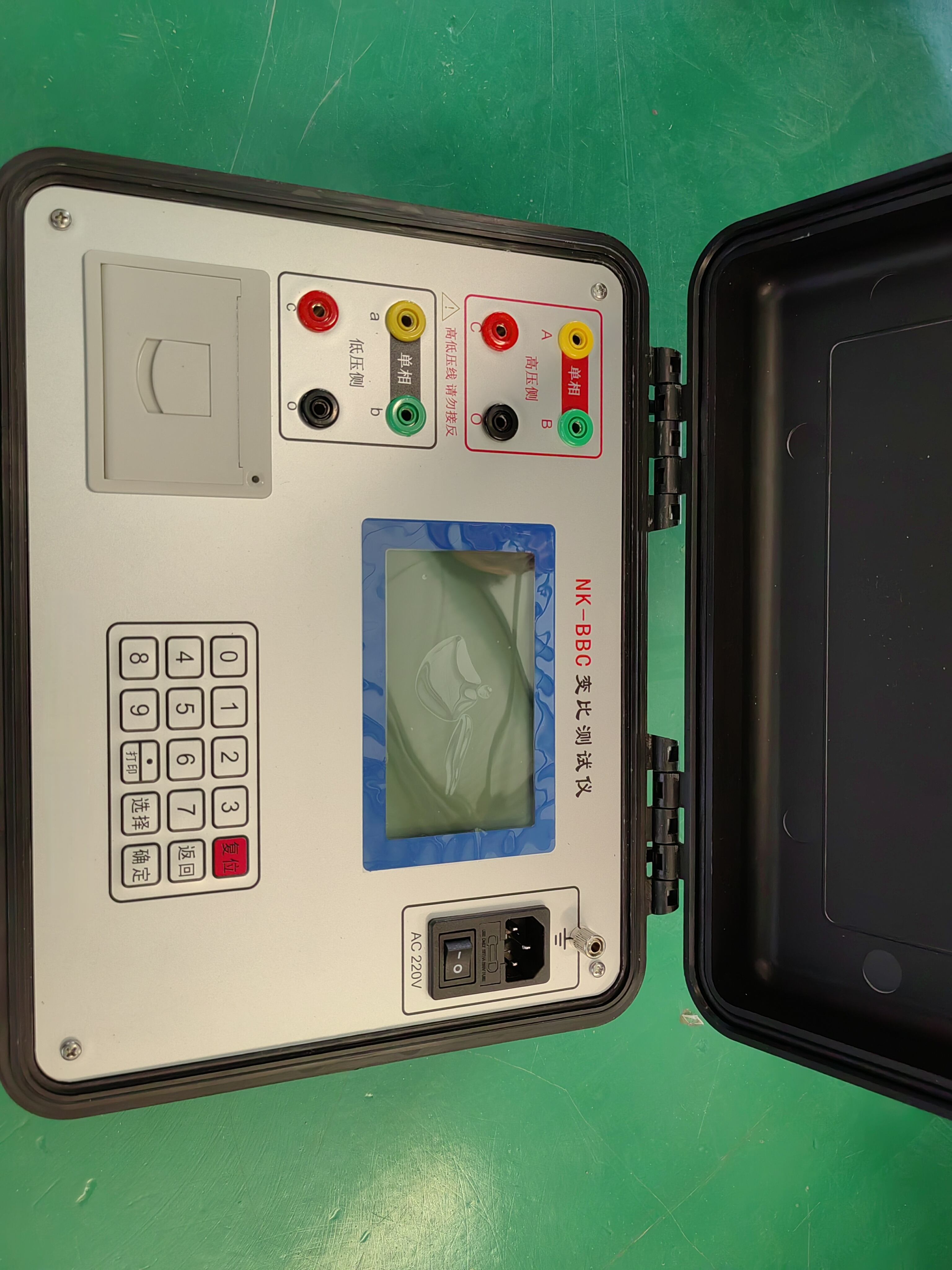
Smart& nbsp; grid& nbsp; integration& nbsp; which& nbsp; includes& nbsp; digital& nbsp; control& nbsp; systems& nbsp; are& nbsp; other factors& nbsp; influencing& nbsp; the& nbsp; direction& nbsp; of& nbsp; development& nbsp; in& nbsp; auto& nbsp; transformer& nbsp; technology& nbsp; and& nbsp; provide& nbsp; increasingly accurate& nbsp; voltage& nbsp; regulation/monitoring& nbsp; at& nbsp; power& nbsp; system& nbsp; levels.& nbsp; These developments& nbsp; are& nbsp; contributing& nbsp; to& nbsp; improve& nbsp; the& nbsp; performance,& nbsp; efficiency,& nbsp; and& nbsp; sustainability& nbsp; of& nbsp; electrical& nbsp; infrastructure& nbsp; systems& nbsp; that& nbsp; enable& nbsp; an& nbsp; efficient& nbsp; and& nbsp; interconnected& nbsp; smart& nbsp; grid.
& nbsp;

 EN
EN