 ×
×
Transformers are critical devices used in various industries to allow the flow of electric current. It is essential that transformers be tested periodically to ensure optimal operations. One of the critical testing methods that can be effectively used is through the use of a multimeter, which is a versatile measuring device used to check various electrical parameters. In this essay, we will highlight a step-by-step process on how to test a transformer using a multimeter and outline the wholesaler of the multimeter which are known to produce quality multimeters for this purpose. Step by step guide on how to test a transformer using a multimeter: Testing a transformer requires a systematic procedure to be followed to obtain correct readings. The multimeter should be placed in the resistance or ohms mode first. The transformer should first be disconnected from the power source and then checked for any physical signs of damages or wear on the winding. The next step is to place the probes of the multimeter to the primary winding terminals and record the resistance. This should be between the ranges of the specified transformer resistance. The same process can be repeated for the secondary winding to check its resistance. Furthermore, the multimeter can also be used to check continuity between different terminals to check for short circuits or open circuits. The tests can help in verifying the health of the transformer and how well it is functioning.
High-quality multimeter wholesale for transformer testing. The cornerstone of selecting a multimeter for transformer testing is quality and reliability. Nankee provides high-quality multimeters designed specifically for industrial use. Nankee multimeters are long-lasting and are resistant to the tough conditions of transformer testing. Moreover, they’re long-lasting produce accurate real-time reading. With additional capacity like auto-ranging, true RMS measurement, and brutal build, Nankee Multimeters are perfect for industry professionals. These tools assist multimeters in providing accurate and reliable performance and testing speed. Order a Nankee multimeter from a wholesaler today to take transformer testing to the next level! Do’s and Don’ts for a perfect and accurate multimeter for transformer testing. Several do’s and don’ts should be considered while testing transformers using a multimeter to obtain perfect and accurate results. First, always make sure the multimeter is set to the proper voltage level when testing to prevent damage to the multimeter or transformer. Second, before testing, be sure to unplug the transformer from the power source to prevent any safety risks. Additionally, make sure to test the quality and security of the connections on the transformer to check for corroded or faulty connections that may give inaccurate readings. Additionally, follow industry standards or manufacturer contracts when testing a variety of transformers for accurate results. What is the advantage of testing transformers with a multimeter?
Testing transformers with a multimeter has several advantages. First, it is easy and fast to check the transformer on malfunctions. Users can measure the voltage, current, and resistance of the element to identify the weak link. This will help avoid damage and the need to replace expensive electronic components. Furthermore, testing transformers with a multimeter guarantees safety for the element as well as the connected hardware. Regular checkups allow for timely noticing of the hazard and avoid an accident. This safety-first strategy helps secure the functioning of the equipment and increase the throughput. How do I improve the accuracy of transformer testing with a multimeter? To make sure your multimeter is reliable and gives accurate readings, it requires recalibration. This approach guarantees that users are getting the correct data and not making a mistake in the readings. Secondly, it would be wise to double-check the connections and settings are appropriate before conducting the test to exclude possible discrepancies. Moreover, the aligning setting and proper probes use depend on the transformer type. Finally, it is advisable to take your time and follow proper guidelines for checking to gather accurate information.
•Importance of transformer testing using a multimeter
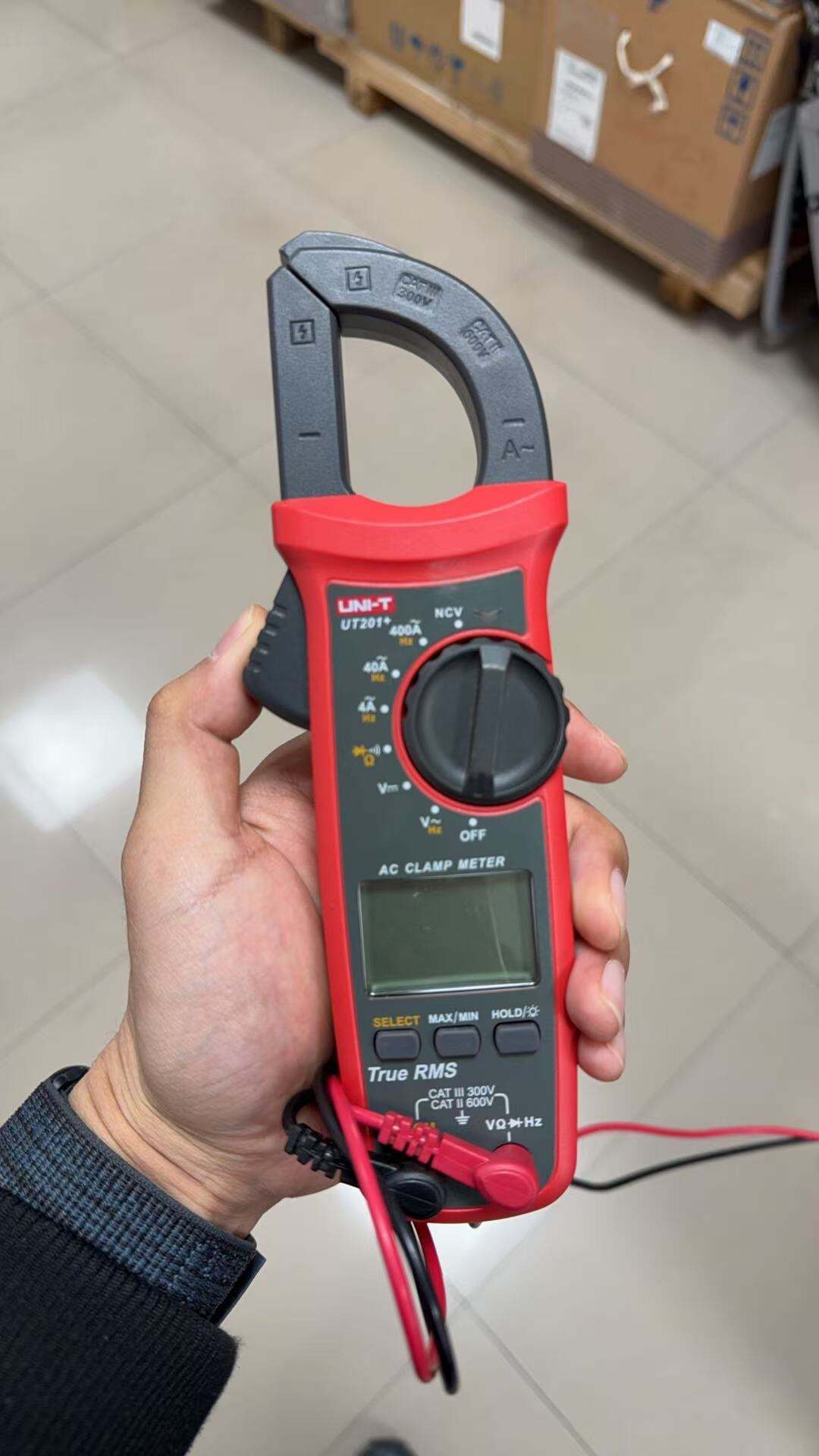
Testing transformers using a multimeter is a way to keep the electrical systems running and safe. Keeping in check the voltage, current, and resistance helps technicians to identify the existing fault with the transformer. Hence they can take the necessary corrective measures to avoid breakdown and repairs. Moreover, routine tests using a multimeter can help maintain the performance of the transformer to make them more efficient. In conclusion, transforming testing using a multimeter is a preventive maintenance measure that saves time and money. Transformer trading can also benefit from these testing procedures.
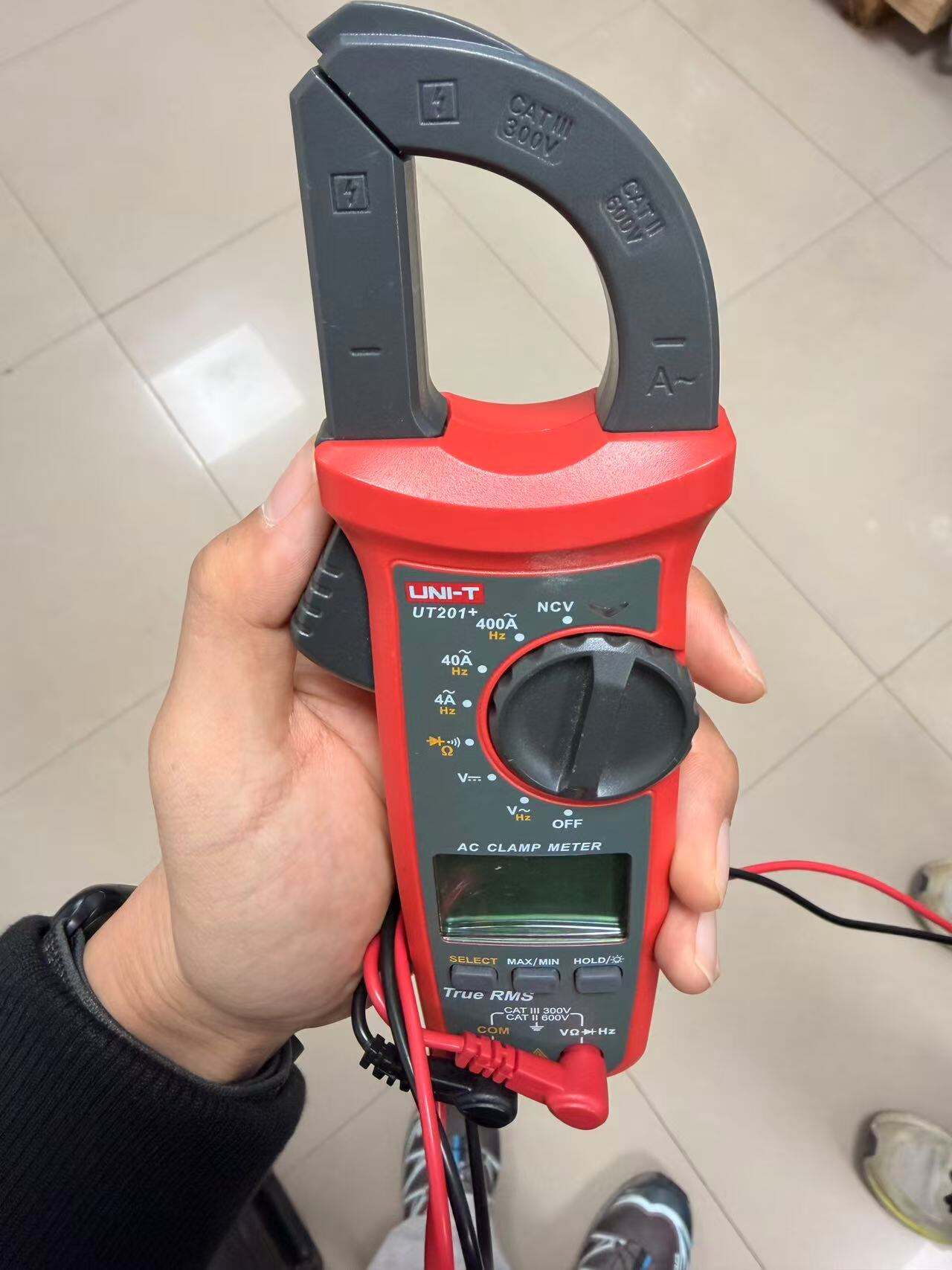
Technicians must also be aware of some common issues in transformers when testing them using a multimeter. First, low resistance readings can be an indication of a short circuit when resistance is being measured between various transformer terminals. Low resistance readings, on the other hand, indicate a potential for a short circuit, while high resistance readings indicate an open circuit. Secondly, inadequate voltage output may be identified by low voltage readings between different transformer terminals. Inadequate, high, or variable voltage readings on various terminals may indicate a winding or connection problem. Finally, unusual current readings must be taken seriously since they may indicate an overload or fault in the transformers. By remaining attentive and comprehensive, these can be detected early and addressed, guaranteeing the transformers’ regular operation in industrial applications. What do you need to understand about:
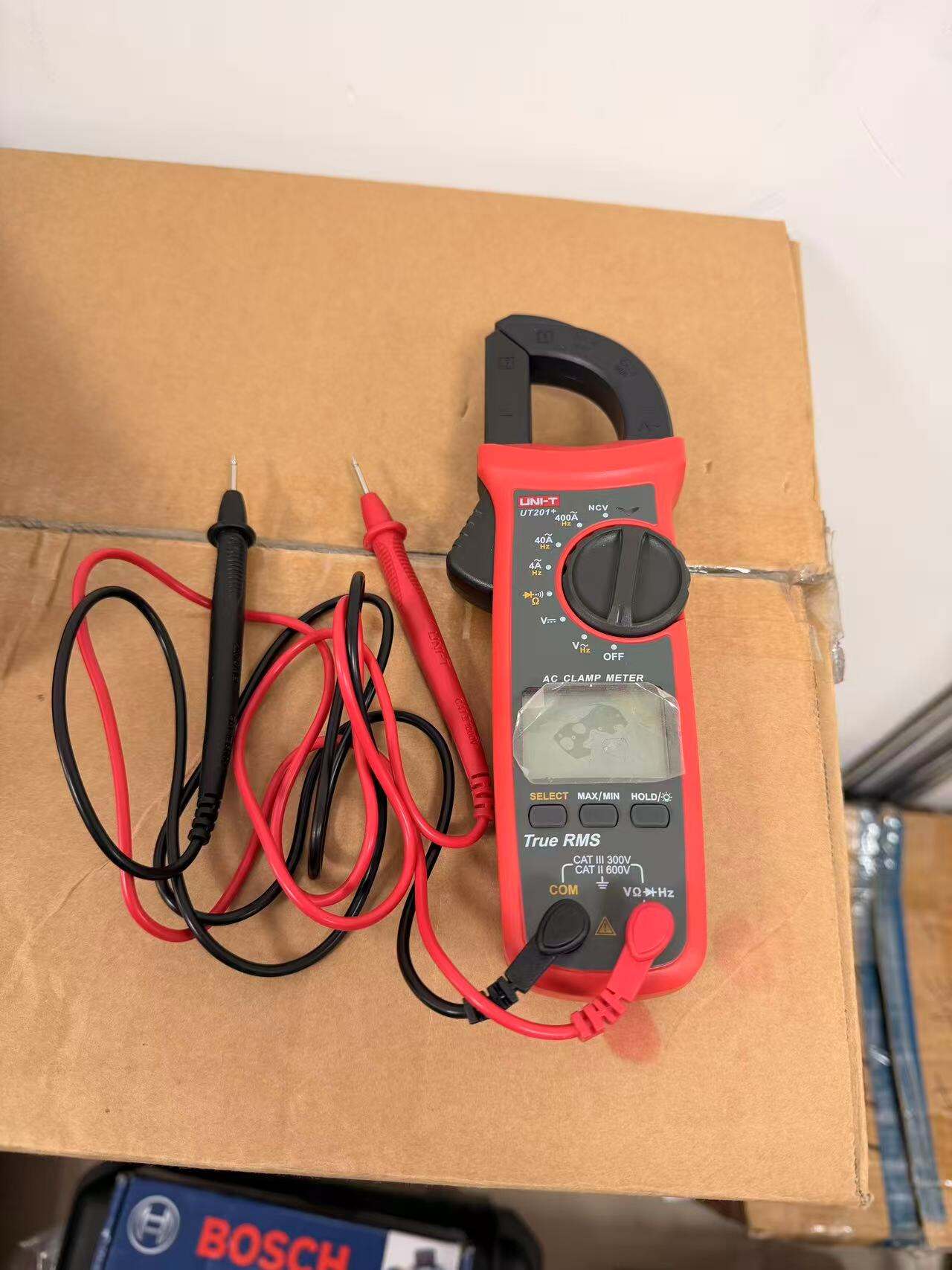
Using a multimeter for testing transformers has many advantages. A multimeter can accurately measure the voltage, current, and resistance levels of the transformer. In the event of a short circuit or open count, the data can help you spot the problems. Using a multimeter will also speed up the troubleshooting process, allowing you to quickly diagnose problems. It is essential to test transformers for safety and optimal performance of your electrical systems, among other reasons. The following expert tips can help you successfully test a transformer using a multimeter: make sure your multimeter is set to the necessary setting for measuring the electrical properties, e.g., set the multimeter to the voltage range during voltage testing. Always remember the safety and use electrical accessories like insulated gloves and goggles when operating electrical devices. When working with a transformer, you need to be accurate and record the results accurately for future reference. By following these expert tips, you can successfully test a transformer using a multimeter and help your electrical systems work effectively and safely.


 EN
EN